
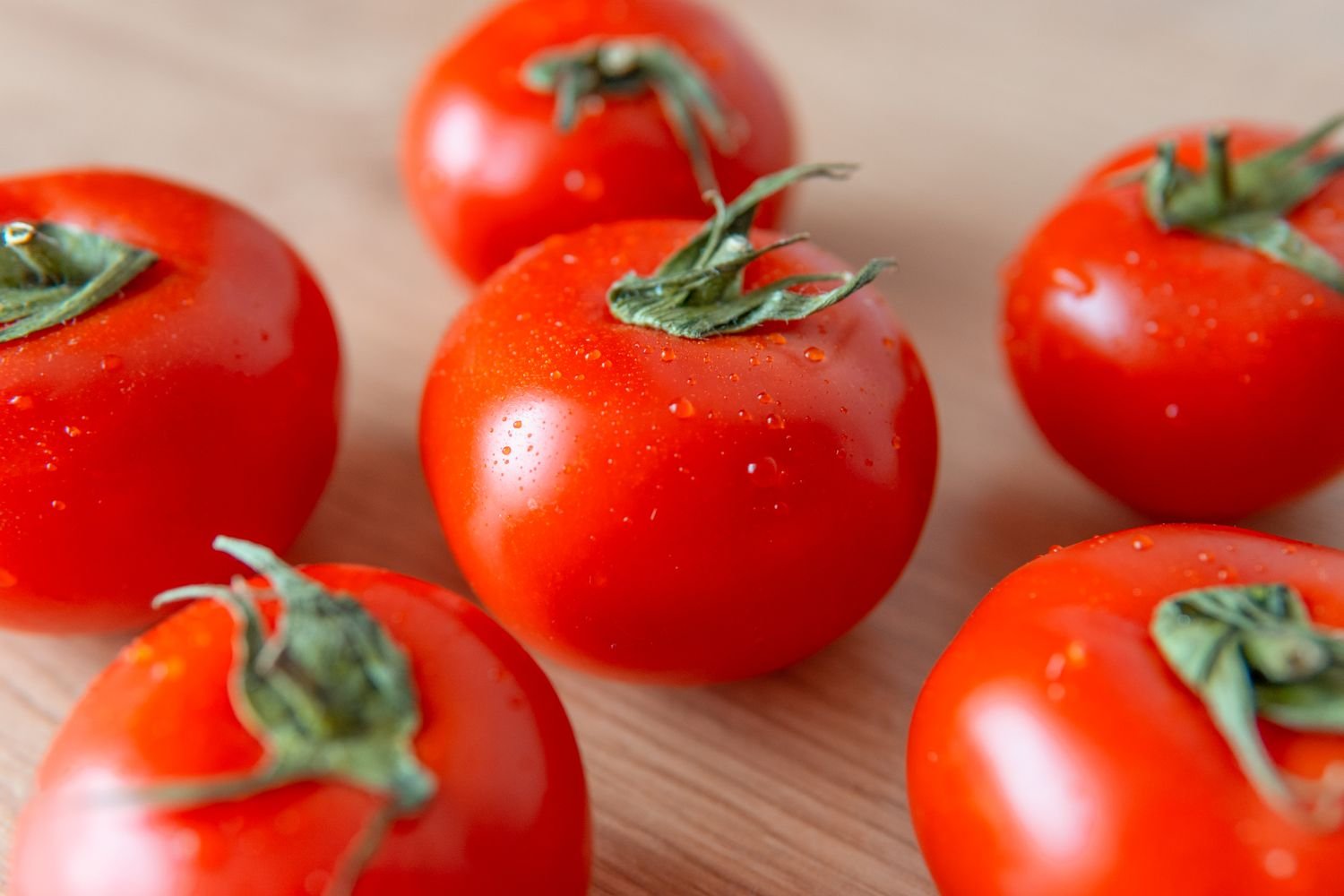
You bought a handful of tomatoes at the farmer’s market on Saturday. By Wednesday, two are perfectly ripe and one is starting to feel soft. There’s also half a tomato from last night’s tacos on the counter. What is still good, what should go in the fridge now and what should go in the compost?
Do tomatoes go bad?
Short answer: yes Whole ripe tomatoes last 2 weeks on the table at room temperature. Unripe tomatoes should never be refrigerated, as cold stops the ripening process forever. Cut tomatoes last 3 to 4 days in the refrigerator in an airtight container. Cooked tomatoes and tomato sauce last 3-4 days refrigerated and 6 months frozen.
For storage instructions on other fresh produce, see Onion going bad?, Garlic going bad?and our full Food storage guide.
To take the keys
- Ripe tomatoes at room temperature: up to 2 weeks, stem down
- Unripe tomatoes: counter only, never refrigerated
- Ripe tomatoes in the refrigerator: it extends the life more days, usually between 2 and 5 depending on the ripeness; bring to room temperature 30 minutes before eating raw
- Cut tomatoes: immediately in the refrigerator, airtight for 3-4 days
- Cooked tomatoes or sauce: 3 to 4 days in the refrigerator, 6 months frozen
- Store stem down to slow moisture loss
- Keep away from green leaves: Tomatoes emit ethylene which accelerates wilting
- Soft, runny, moldy, or foul-smelling: Discard
Cooling question: Depends on maturity
The “never refrigerate tomatoes” rule is everywhere. However, it is only half-right. The whole answer depends on whether the tomato is ripe or not.
Unripe tomatoes should never be refrigerated. Cold temperatures stop the ripening process permanently. Also, the cold creates a stringy, grainy texture that doesn’t improve after the tomato is reheated. An unripe tomato taken from the refrigerator will never develop its full flavor or texture. Keep unripe tomatoes on the counter, away from sunlight, and let them ripen naturally at room temperature.
Ripe tomatoes are another story. Chilling a fully ripe tomato removes some of the volatile flavor compounds responsible for the fresh tomato aroma. This is why a refrigerated tomato eaten straight from the fridge has a flatter flavor than one stored at room temperature. However, letting the tomato sit at room temperature for 30 minutes before eating helps bring back much of the flavor. For cooked applications tortilla soup or fresh salsacooling does not significantly affect the taste.
In short: keep unripe tomatoes on the counter. Store ripe tomatoes on the counter if you’ll be using them within a few days. Put the ripe tomatoes in the refrigerator if you need more time. Remember to bring it back to room temperature before eating it raw.
How long do tomatoes last?
| The type | the counter | the refrigerator | the freezer |
|---|---|---|---|
| Whole unripe tomatoes | Until maturity (a few days to a week) | never | Not recommended (gross) |
| Whole ripe tomato | Up to 2 weeks | 2 to 5 more days | Up to 2 months (use cooked) |
| Cut the tomato | 2 hours maximum | 3 to 4 days airtight | Up to 2 months (use cooked) |
| Cooked tomatoes or sauce | 2 hours maximum | 3 to 4 days airtight | 6 months |
The room temperature shelf life figures are USDA and California Department of Public Health guidelines. Refrigeration extension figures are according to the USDA. Cut tomato figures are in line with the USDA recommendation to keep cut produce at 41°F or below.
Down side of the stem trick
This simple technique makes a real difference. Storing whole tomatoes with the stem scar facing down slows moisture loss from the scar, where the tomato is most porous. It also prevents bacteria and mold from entering through this opening. In practice, tomatoes stored stem-side down hold firmer and last longer than those sitting at the bottom of a container.
Also, keep tomatoes out of direct sunlight. Sunlight creates heat that accelerates overripening. A cool spot on the counter away from windows is ideal. If your kitchen heats up, move the ripe tomatoes to the refrigerator instead of leaving them on the stove.
If you have tomatoes that need to be ripened, place them in a sealed paper bag at room temperature. The bag captures the ethylene gas that the tomato naturally emits and speeds up the ripening process. Check them daily. Roma and paste tomatoes, which have thicker flesh and a lower water content than standard slicing tomatoes, generally keep a few days longer than other varieties and handle the refrigerator a little better after ripening.
Tomatoes and ethylene: keep away from greens
Tomatoes are important ethylene producers. Ethylene is a natural gas that accelerates the ripening of the surrounding products. This makes tomatoes useful when you want to ripen a fruit quickly (put a tomato in a bowl next to an avocado). However, it does mean that tomatoes can accelerate wilting in ethylene-sensitive produce that is stored nearby.
The USDA specifically states that tomatoes should be stored away from lettuce and other leafy greens. If you keep tomatoes in the fridge, store them in a cooler drawer or at least on a different shelf from the salad greens. This is also important for the counter: a can of tomatoes sitting next to spinach or arugula will significantly shorten the life of those greens.
How to store cut tomatoes
When a tomato is cut, the protective barrier of its skin is broken. The cut surface is now exposed to air and bacteria. For this reason, cut tomatoes should be placed in the refrigerator immediately and should not stay at room temperature for more than two hours.
Store the sliced tomatoes in an airtight container. Place a dry paper towel in the container to absorb excess moisture. Use within 3 to 4 days. For halved tomatoes, pressing the cut face against a clean plate or container lid before further sealing limits exposure to air.
If you have tomatoes that are nearing their limit, use them in a cooked dish red lentil soup or fresh basil pesto instead of eating it raw. Cooking kills surface bacteria and tomatoes are still useful in a sauce or soup.
How to tell if a tomato has gone bad
It indicates that a tomato has gone bad
- Spilled liquid or very soft meat: A tomato that has been touched or is leaking liquid is crushed to be safe to eat. Discard
- Visible mold: Any growth on the skin or flesh should be discarded as a whole tomato. Do not cut around it, as the roots of the mold penetrate beyond the visible surface.
- Bad, fermented or sour smell: Fresh tomatoes have a bright, slightly herbaceous aroma. It means eliminating any sour, vinegary or putrid smell.
- Large soft brown spots: Small soft spots can sometimes be trimmed with a generous margin. Large brown areas extending throughout the flesh indicate advanced deterioration. Discard
- Wrinkled skin without firm flesh inside: The tomato has lost too much moisture to be worth eating.
See also

Good storage practices
- Store whole tomatoes stem down at room temperature, away from sunlight
- Never refrigerate unripe tomatoes
- Refrigerate ripe tomatoes if you need them for more than a few days; bring to room temperature 30 minutes before eating raw
- Keep tomatoes away from green leaves both in the refrigerator and on the counter
- Store the sliced tomatoes, cut side down, in an airtight container with a paper towel in the refrigerator
- Use aged tomatoes in cooked dishes instead of letting them go to waste
Can you freeze tomatoes?
Yes, with one important caveat: frozen tomatoes are only suitable for cooked applications after thawing. Freezing breaks down the cell walls, which creates a soft, watery texture that’s not good for eating raw. However, for soups, stews, sauces and salsa, frozen tomatoes work well.
To freeze whole tomatoes, wash, dry, core and freeze in a single layer on a baking sheet. When solid, transfer to a freezer bag. No bleaching required. When you add them directly to a hot pot, the skins slide off easily. Alternatively, chop or mince the tomatoes before freezing for use in the sauce. Either way, use within 2 months for best flavor.
Further reading
Do Tomatoes Go Bad FAQ
Do you need to refrigerate tomatoes?
It depends on maturity and time. Unripe tomatoes should never be refrigerated, as the cold stops them from ripening forever and creates a mushy texture. Ripe tomatoes can be refrigerated for up to 5 days. However, refrigeration removes the volatile flavor compounds that give fresh tomatoes their aroma. To restore flavor, bring chilled tomatoes to room temperature for 30 minutes before eating raw. For cooked dishes, cooling does not significantly affect the result.
How long does a cut tomato last?
A cut tomato lasts 3-4 days when stored in an airtight container in the refrigerator, cut side down, with a paper towel to absorb moisture. Cut tomatoes should not sit at room temperature for more than 2 hours per USDA food safety guidelines. The cut surface is exposed to bacteria and deteriorates quickly without cooling.
Why do my tomatoes go soft so quickly?
The most common reasons are warmth, direct sunlight and keeping the stem up. Heat accelerates ripening and spoilage. Sunlight is added to it. Storing tomatoes stem-up allows moisture to escape through the porous stem scar, speeding up softening. To slow this down, move the tomatoes to a cooler location away from windows, store them stem-side down, and separate them so they don’t touch each other. Touching tomatoes bruise each other as they ripen.
Can you eat a tomato with a soft spot?
It depends on the size and cause of the soft spot. A small, soft, isolated patch surrounded by firm, flavorful flesh can usually be cut off with a generous margin and the rest of the tomato used. However, if the soft area is large, the underlying flesh is brown or watery, or there is mold or an off-odor anywhere on the tomato, discard the whole thing. When in doubt, cook instead of eating raw: heat neutralizes surface bacteria and tomatoes are still good in a sauce or soup.
Do cherry tomatoes go bad faster than regular tomatoes?
Cherry and grape tomatoes have a shelf life similar to regular tomatoes when stored at room temperature, approximately 1-2 weeks. However, molds are more prone to spread quickly because of their thin skin and the way they sit touching each other in a container. Check daily and remove any that show mold or softness immediately. A moldy cherry tomato can quickly spread to others in the container. Store them in a single layer when possible, or in a shallow, airtight container in the refrigerator for best results.
Better Living may earn commissions through affiliate links and may occasionally feature sponsored or partner content. If you make a purchase through our links, we may receive a small commission at no cost to you.
