
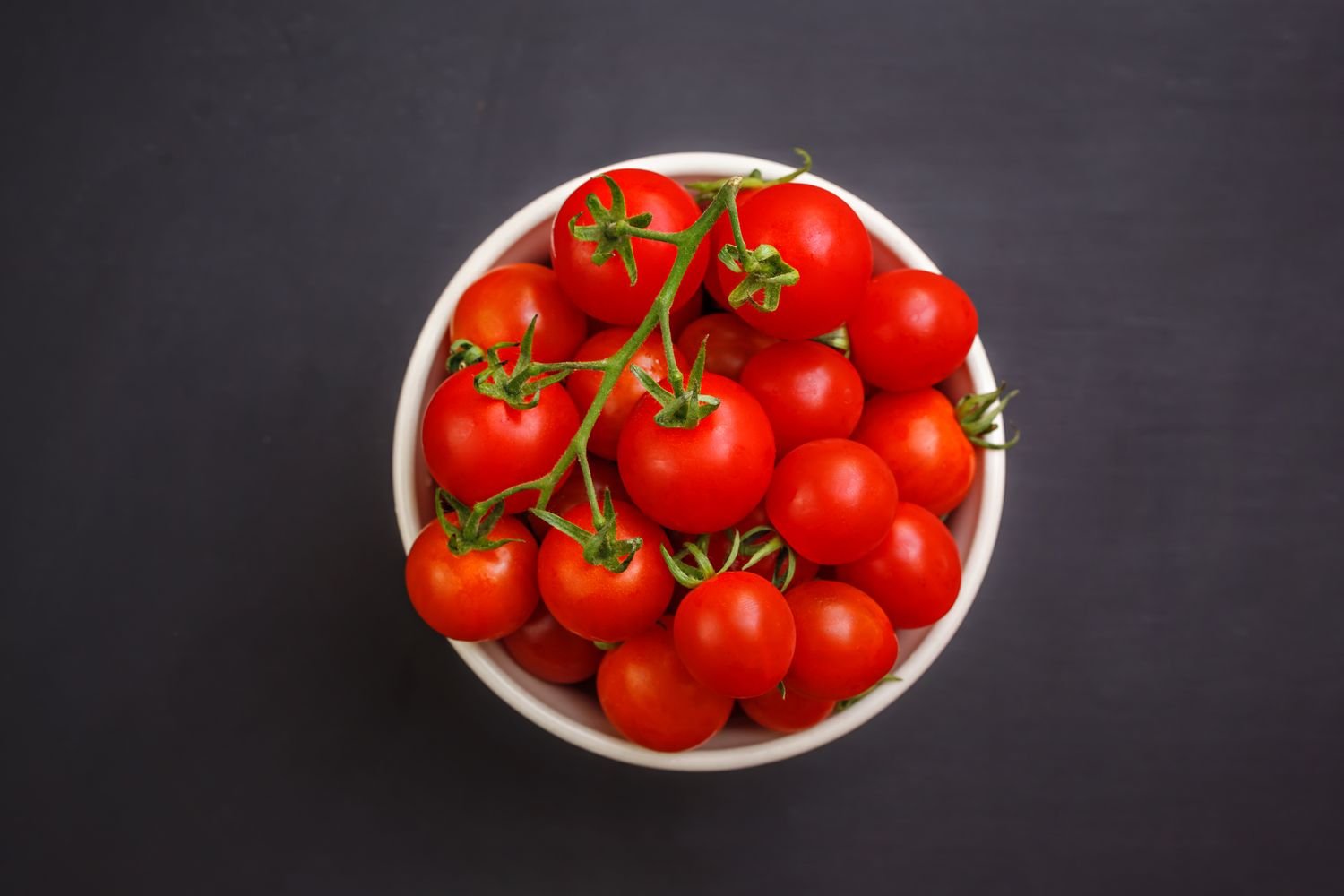
Every cooking article seems to say the same thing: never refrigerate tomatoes. You’ve probably heard it so many times that it’s a rule. Actually, that’s only half right. The answer depends entirely on whether the tomato is ripe and what you want to do with it.
Do tomatoes need to be refrigerated?
Short answer: Unripe tomatoes should never be refrigerated. The cold stops the ripening process permanently and creates a floury texture that cannot be recovered. Ripe tomatoes don’t need refrigeration, but they can benefit when you need more time. Cut tomatoes should be refrigerated within 2 hours and used within 3 or 4 days.
For storage time and full signs of spoilage, see our post Tomatoes going bad? or browse the whole Food storage guide.
To take the keys
- Unripe tomatoes: counter only, never refrigerated. The cold stops ripening once and for all.
- Very ripe tomatoes: the counter is ideal for flavor; Refrigerate for 2 to 5 days if you need more time
- Ripe tomatoes in the refrigerator: bring to room temperature 30 minutes before eating raw
- Cut the tomatoes: refrigerate immediately, 2 hours room temperature limit
- Cooked tomatoes and sauce: Refrigerate within 2 hours, use within 3 to 4 days
- Store whole tomatoes stem down at room temperature
Why unripe tomatoes should never be refrigerated
Tomatoes ripen through a process driven by ethylene gas and enzymatic activity. Both of these processes require temperatures around 50 degrees Fahrenheit to function. When an unripe tomato is placed in a standard refrigerator (usually 37 to 40°F), the ripening process stops. Also, when the tomato returns to room temperature it does not recover. The tomato is stuck in an unripe state forever.
In addition, cold temperatures break down the cell walls, creating a floury, grainy, or mushy texture. This texture change is irreversible. An unripe tomato taken from the refrigerator will never have the firm, juicy flesh that ripens naturally at room temperature.
For these reasons, unripe tomatoes are kept on the table, in a cool place away from sunlight, until they are fully ripe. Only then does cooling become an option.
Why the “Never refrigerate tomatoes” rule is oversimplified
The rule exists for a good reason. The cold removes the volatile flavors of the tomatoes. In particular, cold temperatures reduce levels of compounds such as cis-3-hexenal and related volatiles, which give fresh tomatoes their grassy, bright aroma. Research published in food science journals confirms this effect.
However, off-flavor is largely reversible. Bringing a chilled tomato to room temperature 30 minutes before eating it raw helps restore much of the lost flavor. Additionally, America’s Test Kitchen found that ripe tomatoes stored in airtight containers in the refrigerator tasted essentially the same as room-temperature tomatoes after that rest period. The key is an airtight container, which prevents the tomatoes from absorbing bad flavors from the fridge.
In practice, the rule to follow is simpler: it is best to save the counter if you will use the tomato for flavor in a few days. Storing it in the refrigerator is a good option if you need more time and you are ready to bring the tomato to room temperature before eating it raw.
When you need to refrigerate tomatoes
A number of situations call for refrigeration of ripe tomatoes. First, if ripe tomatoes are nearing the end of their life and you won’t be using them in a day or two, refrigeration extends 2 to 5 more days depending on ripening, according to USDA guidelines. Second, if your kitchen is warm, above 75 degrees Fahrenheit, the counter will ripen the tomatoes quickly. In that case, the refrigerator is the best option to preserve the flavor as well. Third, cut tomatoes always need refrigeration. The cut surface is exposed to bacteria and must be kept cold.
For cooked applications tortilla soup, red lentil soupor fresh salsachilling the tomatoes in advance makes no difference to the final dish. In cooked dishes, flavor compounds are transformed by heat anyway. Refrigerate freely for any kitchen tomato.
How to store tomatoes at room temperature
Room temperature storage works with a few simple techniques. Store tomatoes stem-side down on a plate or flat surface. This position prevents moisture loss through the porous stem scar and slows the entry of bacteria. Keep out of direct sunlight, which creates heat and accelerates over-ripening. Avoid stacking on top of each other, as pressure points that touch each other can cause bruising.
Keep tomatoes away from leafy greens and ethylene-sensitive produce. Tomatoes naturally produce ethylene gas, which accelerates the ripening and wilting of surrounding vegetables. A bowl of tomatoes on the counter will gently speed up the nearby fruit, which may or may not be useful depending on what you keep around. However, it is not useful if the tomatoes are sitting on the counter next to your salad greens or in the same drawer in the fridge.
How to store cut tomatoes
Cut tomatoes should be put in the refrigerator immediately. The two-hour room temperature rule applies: cut produce left outside for more than two hours should be refrigerated or thrown away. Store the sliced tomatoes cut side down in an airtight container with a dry paper towel to absorb excess moisture. Use within 3 to 4 days. Do not store cut tomatoes wrapped in plastic wrap, which does not adequately protect them from exposure to air or temperature changes.
Fast Storage Reference
See also

- Whole unripe tomatoes: Counter only. Until it reaches room temperature. Never in the fridge.
- Whole ripe tomato: User, stem down, up to 2 weeks. Or hermetically in the refrigerator for 2 to 5 more days; bring to room temperature 30 minutes before eating raw.
- Cut the tomato: Airtight container, cut down, paper towel, refrigerator. Use within 3 to 4 days.
- Cooked tomato or sauce: Airtight container, refrigerate within 2 hours. Use within 3 to 4 days. Freeze for up to 6 months.
Why Cold Ruins Unripe Tomatoes
Tomatoes originated in warm climates and are classified as cold-sensitive products. Exposure to temperatures below 50 degrees Fahrenheit causes cold injury, which breaks down cell membranes and stops the enzymatic activity necessary for maturation. As a result, the texture is floury or grainy, rather than firm and chewy. Unlike cold blight on potatoes, which at least allows potatoes to be safely eaten, cold injury on unripe tomatoes permanently damages texture and flavor. There is no cooldown after targeting. This is also why tomatoes sent in refrigerated trucks are picked unripe and treated with ethylene gas after delivery: the cold storage stops ripening, and the ethylene artificially restarts the tomatoes when they reach the store.
Further reading
Should tomatoes be refrigerated FAQ?
I have already cooled the unripe tomatoes. Are they damaged?
Unfortunately, yes. After an unripe tomato is exposed to refrigerator temperatures, the ripening process stops and texture damage begins. Returning to the counter will not restore normal ripening. The tomato may soften slightly as it heats, but it will not develop the flavor, color, or texture of a properly ripened tomato. The best option is to use it in a cooked dish like a sauce or soup, where the texture is less important and the heat will develop the flavor anyway.
Can you refrigerate ripe tomatoes?
yes Ripe tomatoes can be refrigerated to extend their shelf life 2 to 5 days beyond what the counter allows, depending on how ripe they are when they go in. The trade-off is the reduction of fresh tomato aroma due to the elimination of volatile flavor compounds in the cold. To restore that flavor, bring the cooled tomatoes to room temperature for 30 minutes before eating them raw. Refrigeration of ripe tomatoes for cooking does not affect the final result.
How long can a cut tomato stay in the refrigerator?
Two hours at room temperature is the limit according to USDA food safety guidelines. After that, bacteria multiply rapidly on the exposed flesh. If your kitchen is above 90 degrees Fahrenheit, that window drops to one hour. Cut the tomatoes you need to use and refrigerate the rest immediately in an airtight container instead of leaving them on the counter.
Do cherry tomatoes need to be refrigerated?
The same rules apply. Unripe cherry tomatoes are on the table. Ripe cherry tomatoes can be kept on the table for 1 to 2 weeks or refrigerated for a long life. Cherry tomatoes are more prone to mold that spreads quickly between the fruits due to the thin skin and close contact in a container. Check daily and remove soft or moldy ones immediately. Refrigeration in an airtight container expands considerably.
Better Living may earn commissions through affiliate links and may occasionally feature sponsored or partner content. If you make a purchase through our links, we may receive a small commission at no cost to you.
