
Water shapes your daily life more than you probably think. You drink it, cook with it, bathe in it, and rely on dozens of little routines that happen on autopilot every day. The the human body is made up of approximately 60% waterbased on age and body composition, which gives you a sense of the centrality of everything that works well.
And yet, even though we depend on it, most people pay little attention to how water works inside the home. The condition of your pipes, the quality of what comes out of your faucets, the design of the spaces where water lives, and how efficiently your home uses it—all of these things affect your health, your comfort, your utility bills, and the long-term health of your home in ways that quickly add up.
If you’re looking for home improvements that make a real difference in your everyday life, water spaces are a smart place to start.
Invest in better water quality
The quality of the water in your home affects much more than the taste. Hard water, which contains high concentrations of dissolved minerals such as calcium and magnesium, leaves behind damage that accumulates slowly and expensively. You see a build-up of limescale around the faucets and shower. After showering you feel dryness in your skin and hair. Over time, it shortens the life of appliances, clogs pipes and leaves a dull film on glass and tile surfaces that is completely removed by no cleaning.
A water softener fixes the water at the source by reducing the mineral content before it passes through your home. Combined with a quality filtration system, you get a second layer of protection that removes impurities, chlorine and other unwanted elements from drinking and bathing water. The combination doesn’t just protect your home infrastructure. It improves the everyday experience of using water in a way that is immediately noticeable.
Signs that your home may have a hard water problem:
- White or light build-up around faucets, shower heads, and tile grout
- Persistent dryness or irritation of the skin and scalp after showering
- Spots and films on glass containers, mirrors and shower screens
- Appliances such as dishwashers and washing machines wear out sooner than expected
- Flat or dull hair despite regular conditioning
“A water softener and filtration system is one of the most practical home improvements you can make. The benefits show up on your skin, your appliances, your cleaning routine and your water bill.”
Give water areas more style
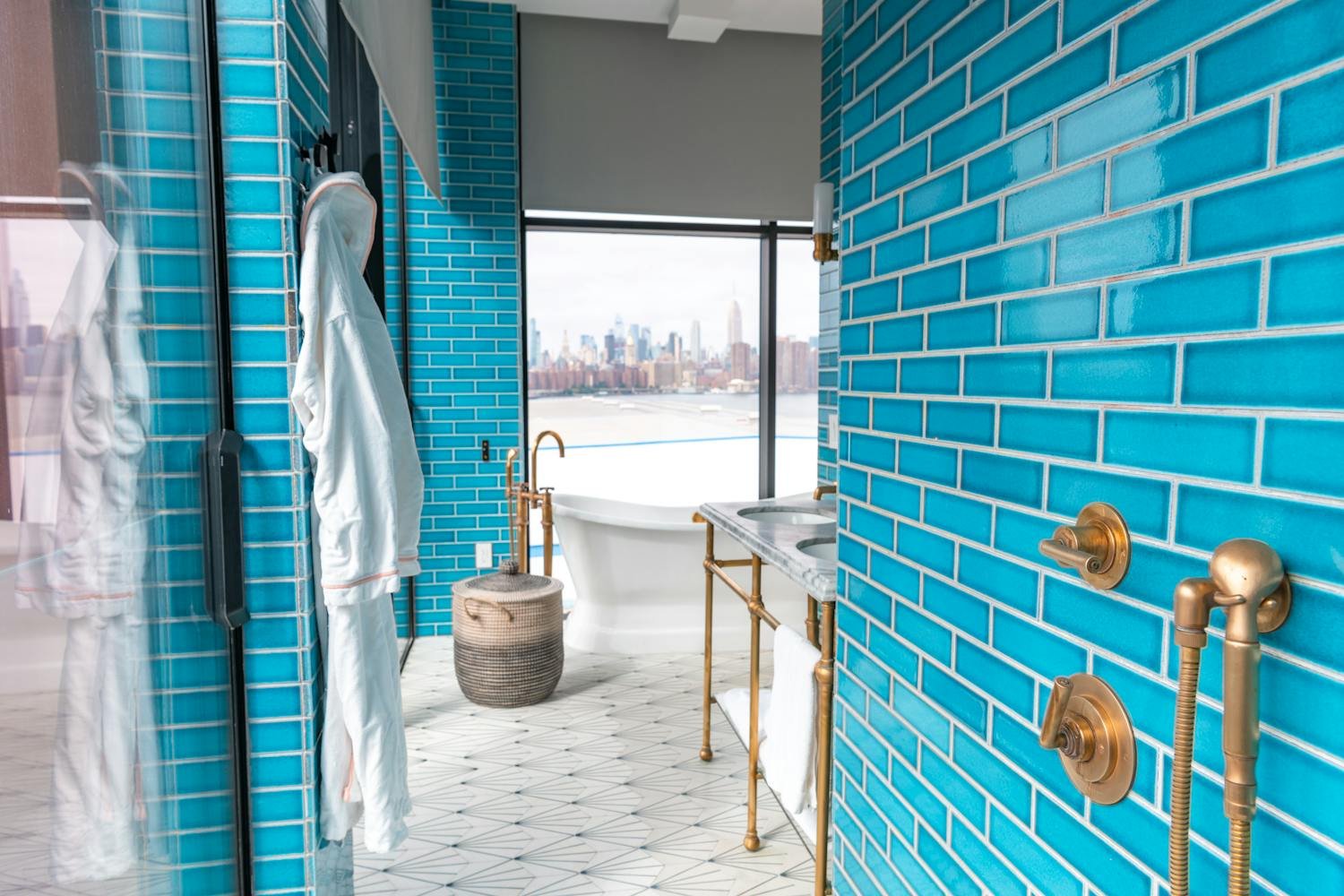
Bathrooms, showers and pools are functional spaces, but they are also some of the most used rooms in any home. The materials and finishes you choose for these areas set the tone for how you use them every day, and a well-designed water space does more for your sense of calm and comfort than most people expect.
options like Sukabumi pool and shower tiles their popularity is increasing both indoors and outdoors, because they give the space something distinctive. Inspired by tropical environments and carved from natural volcanic stone, they add rich texture and a cool blue-green hue that changes subtly with light and water conditions. The result is a watery space that feels less like a utility room and more like a place you want to spend time.
Beyond the tile itself, cohesive material choices in fixtures, grout, and surrounding surfaces make a significant visual difference. A well-designed shower or pool area doesn’t have to be expensive to feel intentional. It should be considered.
Design elements that elevate water spaces:
- Natural stone or stone-effect tiles that add texture and warmth
- Consistent finish on tools, hardware and equipment
- Good ventilation to prevent moisture damage and maintain air quality
- Lighting that flatters the space instead of just illuminating it
- Seamless transitions between wet and dry areas for a cleaner look
Reducing the environmental impact of water use
Better water use at home is good for the environment and at the same time for your household budget. Both goals reinforce each other, and small changes in how your home manages water can result in significant reductions in consumption over the course of a year.
Rainwater harvesting systems are one of the easiest options for homeowners with gardens. Collecting rainfall for irrigation takes you off the mains supply of outdoor irrigation, which accounts for a large portion of your home’s water use in the warmer months. Low-flow shower heads and water-efficient dishwashers reduce consumption at the point of use without significantly affecting performance. And if you have one the swimming poolA properly fitted pool cover dramatically reduces evaporation losses during the summer, reducing water and chemical costs.
Practical ways to reduce water consumption at home:
See also

- Installing a rainwater collection system to irrigate the gardens
- Upgrade to low-flow shower heads and faucet aerators
- Choose a water-efficient dishwasher with a smart load sensor
- Place a pool cover in warmer months to reduce evaporation
- Repair leaks immediately. A slow trickle wastes thousands of gallons every year
Keeping your home’s water systems in good condition also plays a role. Older bathrooms in particular can harbor hidden inefficiencies. The the most common bathroom problems in older homes covers what to look for if your plumbing is showing its age.
Look for ways to reduce water-related costs
Water costs go beyond what is shown on your bill. Heating water is one of the largest contributors to a home’s energy bill, and traditional tank water heaters are one of the least efficient ways to do so. A standard storage tank keeps a large volume of water constantly heated, whether you need it or not. This constant energy output adds up in a year.
Tankless water heaters, also called on-demand heaters, completely eliminate this stagnation loss by heating water only when a faucet or shower is on. The upfront cost is higher, but the long-term savings are well documented and the unit typically lasts longer than a conventional tank. On a smaller scale, switching to an energy-efficient container can gradually reduce energy consumption per glass, which matters more than it sounds when you consider daily use over the years.
Ways to reduce water-related energy costs at home:
- Switch to a tankless water heater to eliminate constant standby heating
- Insulate hot water pipes to reduce heat loss between the heater and the faucet
- Set the water heater temperature to 120°F instead of the default 140°F
- Run dishwashers and washing machines on cold or hot cycles when possible
- Use an energy efficient pot and boil only what you need
“Water heating accounts for a significant portion of most home energy bills. A tankless heater is one of the few upgrades that pays off clearly and consistently over time.”
If you’re working through a larger home improvement plan, it helps to think about water systems along with air quality and overall home health. Improving air quality in old houses it pairs naturally with water improvement, as both have hidden infrastructures that make your home look comfortable and healthy to live in. staying on top of home maintenance is a useful starting point.
Water is one of the most essential elements in your home, and it touches more of your daily life than most improvements you can make. By improving how your home runs, whether it’s better quality, smarter design, reduced consumption or lower running costs, the returns show up every day. That’s a rare thing in home improvement.
Better Living may earn commissions through affiliate links and may occasionally feature sponsored or partner content. If you make a purchase through our links, we may receive a small commission at no cost to you.
