
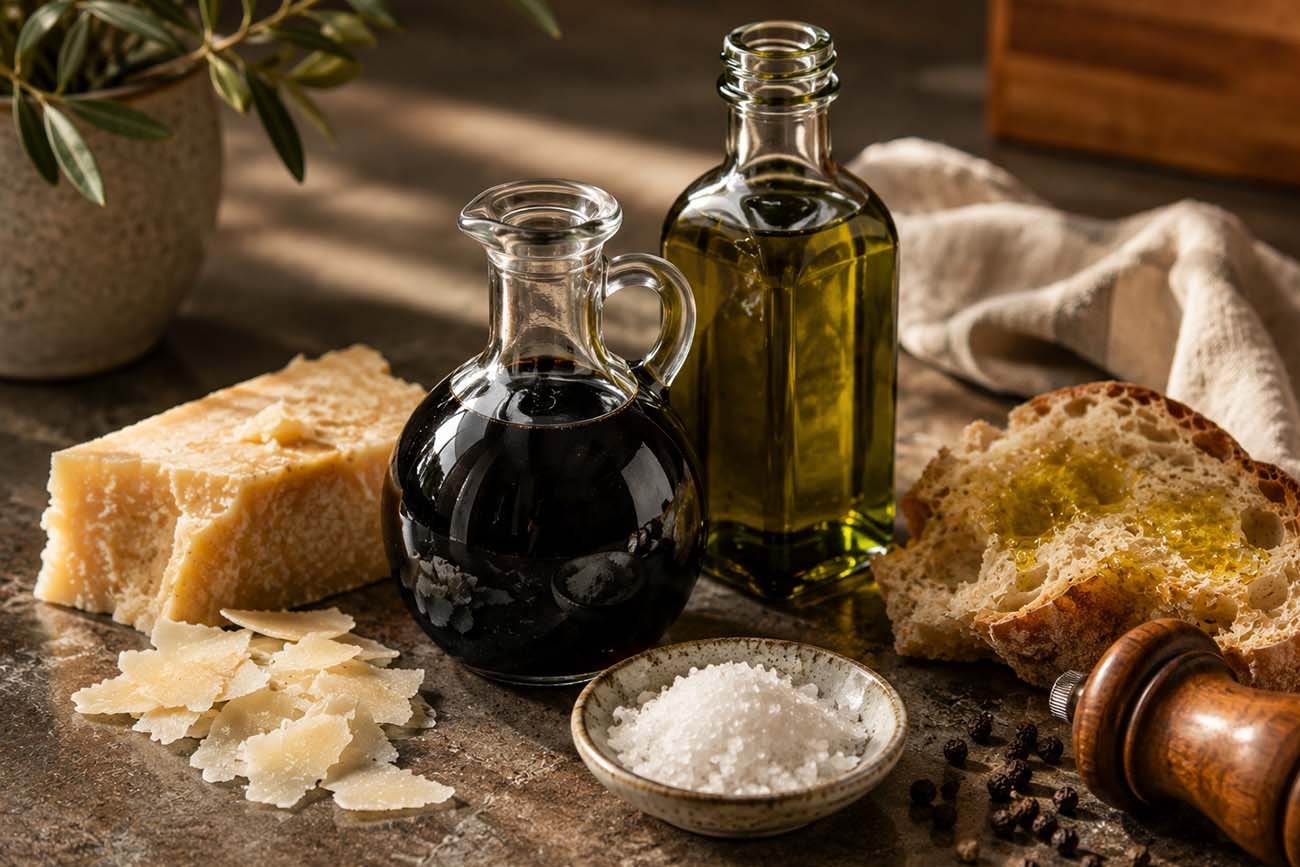
Great cooking is rarely about complexity. While elaborate recipes and multi-step techniques have their place, everyday culinary excellence is based almost entirely on the treatment of ingredients. When time and kitchen space are limited, the most effective way to elevate a dish isn’t to add more ingredients, but to revamp basic pantry staples.
Shifting the focus from complicated processes to high-impact ingredients instantly changes the outcome of simple meals. By choosing patiently and traditionally crafted items, home cooks can avoid long curing times and heavy synthetic seasonings, letting some premium items do the work on the plate.
The philosophy of cooking based on ingredients
The modern culinary movement prioritizes clarity over complication. Instead of coating ingredients under heavy, multi-layered sauces, contemporary cuisine focuses on enhancing the natural character of fresh produce, quality proteins and whole grains. In a minimalist dish, there is nowhere to hide low-quality ingredients; when a plate has only three or four components, each must provide different personality and structural depth.
Investing in premium pantry columns is a strategic shortcut to flavor density. High-quality core products contain volatile flavor compounds developed naturally through aging, fermentation, or artisanal harvesting. A single intentional pour introduces a level of nuance that mass-produced alternatives can’t replicate, turning the home cooking routine into an intentional sensory experience.
The science of flavor balance: fat, salt and acid
Every successful dish is based on a balanced interplay of basic flavor profiles: sweet, salty, sour, bitter and umami. When a meal tastes off, it’s usually because one of these vectors is missing or unrefined. Mass-market condiments often rely on excess sodium and refined sugars to create impact, resulting in single-note profiles that overwhelm the palate. Artisanal alternatives, however, offer multidimensional depth that simultaneously stimulates multiple taste receptors.
Acidity as a flavor catalyst
Novice cooks often confuse a lack of flavor with a lack of salt, adding saltiness until a dish becomes palatable. In most cases, a dull soup, a heavy roast, or a flat vegetable calls for acidity, not more salt. Acid acts as a culinary focal point, cutting through fat, brightening earth tones and stimulating saliva so that all other ingredients have a more intense flavor.
The source of the acidity is important. While citrus juices provide an instant sharp brightness, they lack the rich base flavors needed for warm or complex dishes. Certificate, traditional entry Balsamic vinegar of Modena a balanced harmony of the sweetness of the natural grape must and the complexity of the wood in one recipe. This unique additive bridges the gap between sweet and savory, providing a smooth finish that anchors pan sauces, marinades, and raw garnishes. The The Modena region has been producing balsamic vinegar for generationsand that inherited expertise is part of what separates a real balsamic from a caramel-colored imitation.
Five strategic pantry swaps to make today
Renovating a kitchen requires strategy, not a complete overhaul. Substituting a few frequently used items gives instant results in many everyday recipes.
- Flaked sea salt instead of refined table salt: Table salt is made up of dense, uniform crystals that dissolve quickly, often creating a strong sting of saltiness. Flaked sea salt, collected through solar evaporation, provides a delicate texture that lends a clean flavor and a pleasing texture to steaks, salads, and baked goods.
- Bottled extra virgin olive oil instead of neutral cooking oils: Refined oils provide fat but zero flavor. The extra virgin olive oil cold pressed and bottled in estates retains its natural polyphenols, offering complex notes from freshly cut grass to a peppery finish. It functions as a raw finishing element rather than a cooking medium.
- Whole aged blocks instead of pre-shredded cheese: Pre-shredded cheeses are treated with anti-caking agents that inhibit melting and enhance aroma. Grating a whole block of seasoned Parmigiano-Reggiano or Pecorino Romano ensures a silky texture and an intense, nutty umami punch that effortlessly binds sauces together.
- Umami paste concentrates instead of commercial stock: Standard bouillon cubes often rely on artificial flavor enhancers and high sodium content. Using high-quality white miso, double-concentrate tomato paste, or fermented anchovy paste infuses deep, slower savory bases into stews and pan juices in seconds.
- Whole Tellicherry peppercorns instead of ground black pepper: Ground pepper quickly loses its aromatic essential oils, leaving behind a flat, powdery heat. Grinding whole Tellicherry peppercorns reveals bright, floral and citrus aromas that add sophisticated warmth to a dish.
Practical applications: from weeknight dinners to dessert
The value of primary staples is evident when applied to basic kitchen routines. These three techniques show how simple pantry makeovers can transform everyday ingredients with minimal effort.
Pan-glazed protein technique
Standard, lean proteins like chicken breasts or pork chops are easily dry and uninspired. Instead of relying on high-sugar, bottled marinades that burn easily in the pan, take a minimalist approach.
Season the protein with paprika and sea salt, then sear it in a hot pan. During the last two minutes of cooking, reduce the heat and add a tablespoon of butter, a tablespoon of concentrated umami paste and seasoned vinegar. As the liquid soaked protein emulsifies with the fat in the pan; natural sugars will create a bright, complex glaze that clings to the meat, restaurant-quality depth in a fraction of the time. The same balsamic reduction technique works well a Italian Sausage, Pepper and Roasted Onion Panfor a crowd-feeding version with almost no extra effort.
See also

Raising roasted vegetables
Vegetables like Brussels sprouts, carrots and broccoli contain natural sugars that are unlocked when roasted. To get the most out of it, toss the chopped vegetables with extra strong extra virgin olive oil and flaky salt, then roast at a high temperature until the edges are charred and crisp.
Immediately after removing from the oven, pour a small amount of premium seasoned vinegar over the hot pan. The residual heat causes the liquid to evaporate slightly, concentrating its sweetness and allowing the complex wood aroma to surround the crisp edges of the vegetables. Finish with a light crumble of aged cheese for a balanced and delicious side dish.
The balance of sweet dessert
Applying high-quality pantry staples extends into the sweet course. Modern dessert compositions often use savory elements to cut through heavy sugars, creating a more sophisticated finish.
A simple dish of fresh summer berries or vanilla bean ice cream can be elevated with two unexpected additions. Instead of synthetic syrups, finish the dish with a light drizzle of strong extra virgin olive oil, a sparse scattering of flaky sea salt and a few drops of thick, syrupy seasoned vinegar. Olive oil rounds out the mouthfeel, salt enhances the natural sweetness of fruit or dairy, and complex acids provide a dark contrast that redefines the entire flavor profile. a slice sweet lemon pie it takes this treatment particularly well, where the acidity hits the tart’s natural bright citrus notes.
Navigating quality and tags
Taking this approach to cooking requires an eye for smart marketing and a focus on the integrity of ingredients. True culinary luxury is rooted in geography, climate, tradition and time rather than artificial enhancements.
When sourcing products for your pantry, prioritize products with clear geographical indications, minimal ingredient lists, and traditional production details. A certified olive oil must show the year of harvest and the region; a premium cheese must bear the seals of its protective consortium; a true seasoned condiment should list grape must as the main ingredient, rather than caramel-colored wine vinegar. Anyone building this type of pantry from the ground up will also want to get started A guide to classic Italian dishes staples in the sense that they earn a permanent place on the shelf, and the importance of quality cookware to know what to prepare them for. Surrounding yourself with a small collection of intentionally exceptional products eliminates the need for complicated recipes, giving you the tools to cook intuitively and efficiently every day.
Better Living may earn commissions through affiliate links and may occasionally feature sponsored or partner content. If you make a purchase through our links, we may receive a small commission at no cost to you.
