
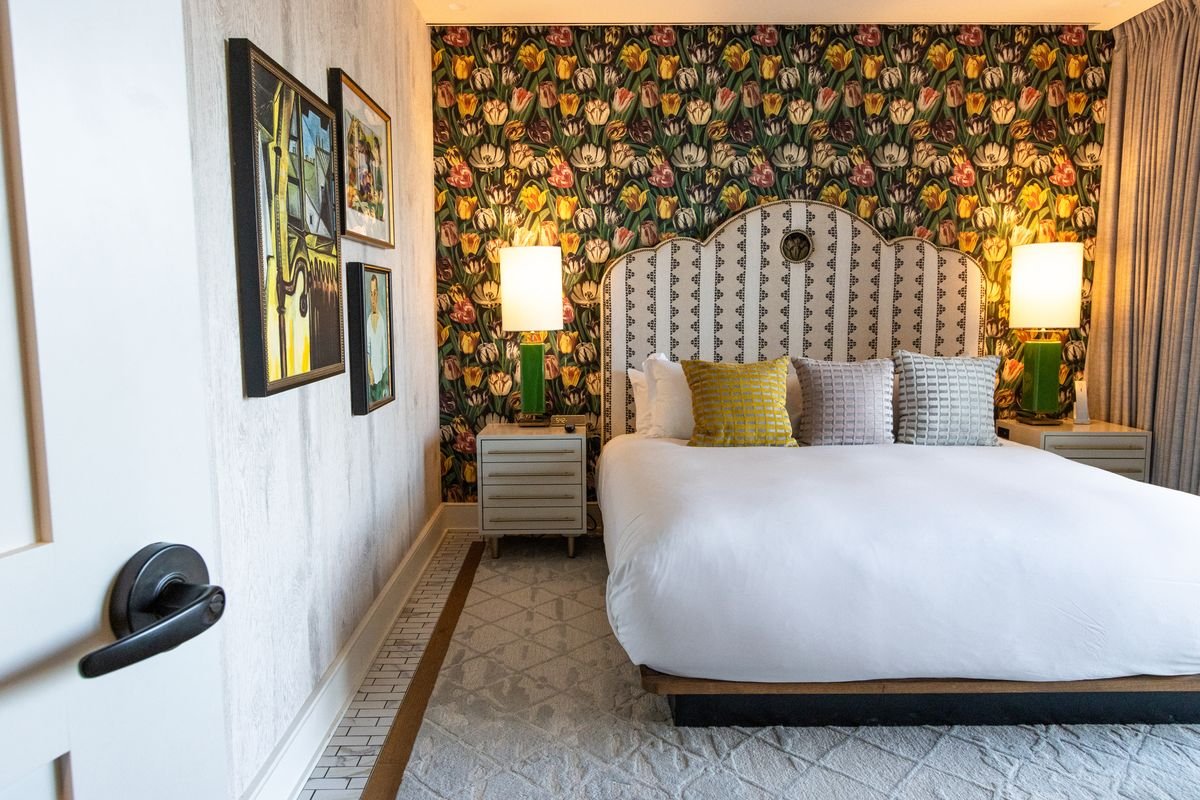
Whether booking a vacation or business trip, finding the right accommodation should be a priority. It is the foundation that allows you to build a journey full of comfort and convenience. Instead of booking the first option that pops up after an online search, it pays to slow down and ask the right questions. A little research goes a long way, especially when the accommodation really suits your needs. Use the following questions as a guide and you’ll be in a stronger position before committing.
1
Is the accommodation in the right location?
Location is the first thing you should consider when booking accommodation. Chances are you’ve chosen your destination for certain attractions, and being well-located means you spend less time in transit and more time enjoying your trip.
Centrally located accommodation may cost a little more up front, but you’ll often spend less on transport during your stay. That trade-off makes a lot of sense. This Luxury hotel in East Midtownfor example, it is a great choice when visiting New York City. In addition to the incredible level of comfort it provides, the location allows you to easily reach the most emblematic places of the city, without your long daily commute.
When time is limited, one of the most valuable things your accommodation can offer is its proximity to the things that matter most to you. Having a safe and well-connected area is the foundation on which everything else is built.
2
Does the trip suit the party?
The right accommodation for the solo business traveler is very different from the one that works for a family of five or a couple celebrating an anniversary. When evaluating your options, think carefully about who is traveling, what the purpose of the trip is, and what each person in the group really needs.
If you’re planning something romantic, Romantic hotels in Maryland may be a good starting point. For an extended solo business trip, you’ll want something that feels more like a home base than a hotel room. For larger groups, common spaces and flexible sleeping arrangements become priorities.
Accessibility requirements, activities for young children and pet policies are worth checking before you book, not after. Accommodation that works best is one that removes friction from all members of the trip, not just the person making the reservation.
3
Does the property type offer the amenities you want?
Beyond the size of your travel group, the type of property is just as important as its location. The right accommodation offers everything you want from a stay, not just a bed and a roof. Some travelers prefer outdoor pools and balconies. Others want activities and entertainment. Many just want a space that allows them to switch off completely.
Different property types suit different trips. A private villa works well for small groups who want a home-from-home feel with space, privacy and added luxury. However, if you want to get away from homework and enjoy a few days without lifting a finger, a hotel is often the better answer. Having someone else clean your room, change your towels and take care of the details makes a real difference when you’re trying to relax.
Some trips call for something different, whether it’s a glamping tent, boutique accommodation or a city apartment. The key is to match the type of property to the experience you’re actually trying to achieve.
Property types and when they work best:
- Hotels: Full service, room cleaning, porter. Best for short stays, business trips and city breaks
- Private villas: Space, privacy, self-catering. Best for groups, extended stays and family holidays
- Apartments/Airbnb: Home to home flexibility. Best for long stays where routine is important
- Glamping/boutique stays: Unique experiences. Better when the accommodation itself is part of the trip
4
Are the room facilities up to standard?
The overall property is important, but so are the rooms themselves. It is more than a place to sleep. Good storage for clothes, reliable WiFi, a TV and a safe for valuables are the basics to confirm before booking. The bathroom is also worth checking out, especially for longer stays.
Above all else, sleep well it is the most important function that a room fulfills. You can’t try the beds on before they arrive, but the listing photos show a lot, and the size of the bed should always be clearly stated. Cross-check this with recent guest reviews, as most people will mention sleep quality as very good or bad.
A room that’s really comfortable is just what you’re looking for, not just visually appealing in photos. The two are not always the same thing.
5
Is it a cheap option?
The holidays are a time to indulge, and you shouldn’t feel guilty about spending money on comfort. That said, it’s important to stick to your budget, not least because you need funds to spare for travel-worthy experiences.
Price comparisons of different options help, but don’t just focus on the price of the room. It includes the whole picture. Something as small as it seems free breakfast it can make a significant difference to your overall spending, especially on a trip of several days. Parking, resort fees, airport transfers and early entry fees add up quickly and are worth checking before you commit.
The goal is not to spend as little as possible. The real value of what you paid for is to feel confident that you got it. They are very different things.
See also

“The cheapest room and the best value room are rarely the same thing. Consider what’s included and what isn’t before you decide.”
6
What do others say?
Reviews are one of the most useful tools you have for evaluating accommodation, but they do require some skill to read well. They will not give you a sense of what quality of sleep awaits you. They reveal how consistent the property is, how it handles issues, and where the difference between listing photos and reality tends to appear.
Read reviews from verified external sources like googleRather than relying on testimonials received on the property website TripAdvisor and Booking.com. Look for signs of fake reviews: generic comments, suspiciously perfect scores for accounts with no review history, or a sudden cluster of five-star reviews after a string of negative ones.
Prioritize recent reviews over older ones, as ownership, management and quality can vary significantly. And pay close attention to how the property responds to negative feedback. A professional and thoughtful response to a complaint tells you a lot about how a problem would be handled if you were the guest.
Red flags to look for in accommodation reviews:
- A sudden increase in five-star reviews in a short period of time
- Reviewers who have no other reviews on their profile
- General praise without specific details about the stay
- There is no negative response from management
- Positive opinions that contradict each other in specific details
7
What is your gut telling you?
After you’ve covered all the practical questions, focus on how you really feel about the reservation. If something feels off, whether it’s a listing that seems too good to be true, a property that’s difficult to contact, or an opportunity that just doesn’t excite you, trust your instincts. On the other hand, if you’re really looking for a particular property, that enthusiasm counts for something.
The best accommodation is the one that makes you feel good before you arrive. Every detail you’ve researched, every review you’ve read, and every question you’ve asked fuels that feeling. When practicality and instinct both align in the same direction, you have found the right choice.
For more travel planning inspiration, see our guides luxury travel with time saving strategies, budget road trip tipsand our roundup Weekend Getaways from Philadelphia for ideas closer to home.
Better Living may earn commissions through affiliate links and may occasionally feature sponsored or partner content. If you make a purchase through our links, we may receive a small commission at no cost to you.
