
I was thinking about something that doesn’t get enough time in educational circles.
How do we actually teach kids about life transitions when half of them are experiencing big ones at home?
Last year I had 11 students dealing with family separation. Out of 28. That’s 39% of a classroom, and I wasn’t prepared for how much it affected everything from group dynamics to homework completion rates to the general mood during morning announcements.
Teaching through real transitions
Children going through family changes do not need us to tiptoe around their reality. But they absolutely need us to admit that life gets messy and confusing sometimes. I started including more modules on change, adaptation, and emotional literacy after seeing a seventh grader completely shut down during a “draw your family” assignment that seemed innocuous when I planned it.
We can’t pretend these things don’t happen anymore. About 38% of marriages in Canada end in divorce. For working families divorce in ontariothe process can take months or even years depending on the circumstances. Kids absorb every bit of that stress, every tense phone call, every awkward pick-up conversation. Social-emotional learning questions.
So I changed my approach. Instead of avoiding family themes entirely, I expanded on them. “Family” has become anyone who shows up for you consistently. Home has become wherever you feel safe and supported.
What actually helped in my classroom
First, I stopped assuming that every child had the same home structure. For years, I defaulted to “asking your parents” without thinking. Now instead I say “consult the elders at home” or “talk to your family”. Slight wording change. Big difference in student response.
I built in more flexibility around assignment deadlines after seeing patterns emerge. I still expect to get the job done and meet my standards. But when a student bounces between two houses and leaves his textbook at his father’s house 45 minutes away, I’ve learned to adapt without making a huge deal of it.
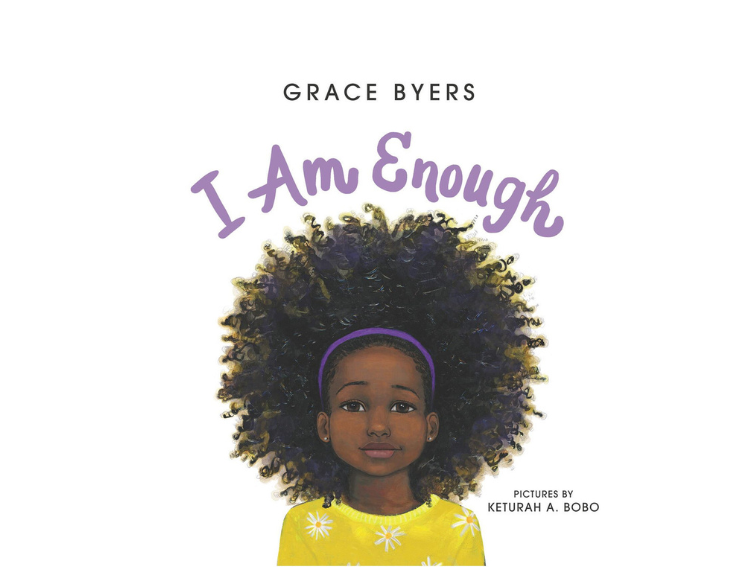
Third, I created a quiet corner with books about change, growth, and different family structures. Not a “children of divorce” section, which would be stigmatizing. Just resources that reflect different experiences in a natural way. Several students gravitated there during independent reading without me saying anything.
The questions students really ask
You know what surprised me the most? Children want practical information, not platitudes or vague reassurances. An eighth grader asked me how people know when a relationship is no longer working. Another wanted to know why adults can’t “just fix it” if they once loved each other.
I’m not a counselor and I’ve made that clear. But I could direct them to age-appropriate resources and sometimes just listen without trying to figure it all out. That mattered more than I expected.
We also talked about supporting friends in difficult times in ways that actually help instead of just being inconvenient. Chances are high that any college student will either experience a family separation themselves or have a close friend who does before they graduate. Building empathy through real-life scenarios beats abstract lessons every time.
Students are already dealing with complex adult situations, whether we address them in school or not. I’d rather create a space for honest conversations than pretend everything is fine when it clearly isn’t.
