
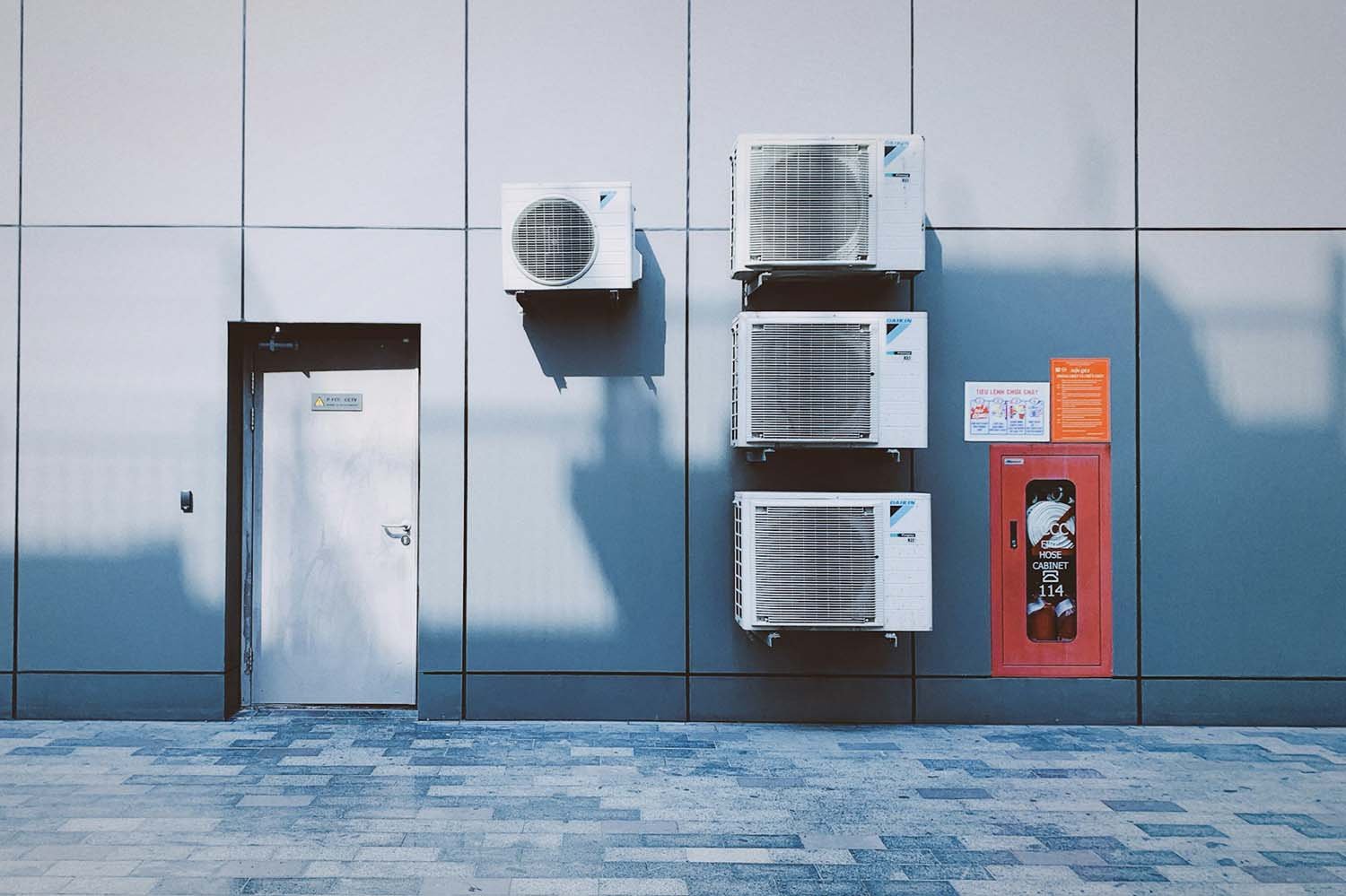
Georgetown, Texas has become an unexpected laboratory for sustainable residential design. While the city’s tree-lined streets and historic downtowns suggest traditional values, a quiet transformation is underway in the way homes consume energy, and HVAC systems are at the center of this change.
The numbers tell part of the story. According to the US Department of Energy, heating and cooling account for nearly half of a typical home’s energy use. in central Texas, where summer temperatures exceed 100°Fthis proportion rises even higher. For homeowners committed to reducing their environmental footprint without sacrificing comfort, choosing an HVAC system has become one of the most important decisions they will make.
This is not just about installing a more efficient air conditioner. It’s a rethinking of how homes relate to the climate, how systems adapt to occupancy patterns, and how technology can provide comfort while significantly reducing energy waste. From smart thermostats that learn your home’s rhythms to variable-speed compressors that eliminate the inefficiencies of constant on-off cycling, modern HVAC technology has evolved beyond the simple thermostats and single-speed units that have dominated home construction.
What quality air conditioning really means
The term “quality air conditioning” has been diluted by marketing, but in technical terms it refers to systems that provide consistent comfort that minimizes energy consumption and improves indoor air quality. The distinction is more important than most homeowners realize.
What distinguishes a quality HVAC system from a basic one:
- Advanced filtering: Filters rated MERV 13 or higher capture particles as small as 0.3 microns, not just dust, but pollen, mold spores, and even some bacteria and viruses from recirculated air.
- Variable speed operation: Rather than cycling at full power on and off, these systems adjust output incrementally, keeping the temperature within a degree or two, while using significantly less electricity.
- Moisture management: In Georgetown’s humid climate, effective dehumidification prevents mold growth and the clammy feeling that makes 75°F feel uncomfortable.
- Zoning ability: Multi-zone systems allow different areas of a home to maintain different temperatures, eliminating the waste of cooling unused spaces.
The efficiency gains are significant. A high SEER system can reduce cooling costs by 20 to 40% compared to older units while improving comfort. For a typical Georgetown home, hundreds of dollars less and thousands of pounds of less carbon dioxide are released into the atmosphere each year.
“In Central Texas, where cooling accounts for a disproportionate share of home energy use, upgrading to a high-efficiency HVAC system is one of the most profitable investments a homeowner can make.”
When Systems Fail: The Reality of AC Repair in Central Texas
Even well-maintained systems need to be repaired eventually, and a breakdown in July or August in Georgetown’s climate isn’t just uncomfortable. It can be really dangerous. Understanding common failure modes helps homeowners respond appropriately when problems arise.
The most common forms of HVAC failure in Central Texas:
- Coolant leaks: Often due to corrosion or vibration damage, these reduce cooling capacity and force compressors to work harder, accelerating wear and tear on the entire system.
- Condenser failure: These components help engines start and run efficiently. When they fail, the system may not start at all, or it may start but struggle to reach temperature.
- Drainage problems: Condensation lines can become clogged with algae or debris, causing water damage and shutting down the system as a safety precaution.
- Sensor problems: Out-of-calibration thermostat sensors cause short cycles and erratic temperatures, wasting energy and reducing comfort.
Immediate attention to these problems prevents small problems from escalating into major failures. A coolant leak caught early can cost hundreds of dollars to fix. If ignored, it can destroy a compressor worth thousands. That’s why many Georgetown residents establish relationships with local HVAC contractors who can respond quickly when problems arise. Regular tune-ups are the most reliable way to catch these failure modes before they become an emergency why HVAC repairs prevent costly breakdowns It covers what a professional visit entails and why time matters.
Technology gains efficiency
Recent innovations have fundamentally changed what is possible in residential climate control. These are not incremental improvements. They represent real technological leaps in what clean energy homes can achieve in central Texas.
Technologies that are reshaping residential HVAC efficiency:
- Inverter driven compressors: Adapted from commercial refrigeration, these systems modulate capacity from 25% to 100%, precisely matching output to demand and eliminating the inherent efficiency losses of the on-off cycle.
- Smart thermostats with occupancy learning: Ecobee and Nest devices use sensors and algorithms to understand home patterns, and automatically adjust temperatures when spaces are unoccupied, without manual programming.
- Geothermal heat pumps: By assuming a stable underground temperature, these systems achieve a level of efficiency impossible with air source equipment, although installation costs remain high.
- Energy recovery fans: These devices bring in fresh outside air while transferring heat and moisture from the exhaust stream, maintaining air quality without the energy penalty of air conditioning ventilation.
Research published in Buildings, an open-access journal focused on building science, shows how these technologies combine to enable near-zero energy consumption in residential applications. The key is not in a single innovation, but in working together as an integrated system.
Choosing the right system for Georgetown’s climate
Central Texas presents specific challenges that influence system selection. The combination of high heat, high humidity, and significant day-night temperature changes during spring and fall requires equipment to effectively handle the various conditions.
Key factors in choosing a Central Texas system:
- Suitable size: Oversized systems short cycle, waste energy and do not dehumidify effectively. Undersized systems run constantly and struggle under the highest conditions. Manual J load calculations are essential.
- SEER rating: Moving from SEER 14 to SEER 16 provides significant savings. Jumping from SEER 20 to SEER 22 offers a lower return that doesn’t justify the cost premium.
- Humidity control: In Georgetown’s climate, dehumidification capacity is just as important as cooling capacity. Variable speed air handlers remove moisture.
- Integration capability: Systems that communicate with smart home platforms enable pre-cooling during peak hours when electricity rates are lower.
See also

For homeowners evaluating HVAC upgrades or replacements, partnering with contractors who understand local climate conditions and home characteristics can make a significant difference in system performance and efficiency. companies like Quality Cooling Heating and Plumbing They can assess factors such as home size, insulation levels and airflow requirements to recommend appropriately sized solutions. Comparable providers such as One Hour Heating & Air Conditioning and ARS/Rescue Rooter also offer home HVAC assessments and system recommendations tailored to homeowners’ specific needs and operating conditions.
Finding reliable repair services
When equipment fails, response time and technical ability become critical. Not all HVAC contractors offer the same level of service, and the differences are evident in emergencies.
What to look for in a Georgetown HVAC contractor:
- License and certification: Texas requires HVAC contractors to be properly licensed. NATE certification indicates that technicians have passed rigorous competency testing.
- Response time: During peak summer months, same-day emergency service sets professional operations apart from overcrowded contractors.
- Diagnostic ability: Modern systems require sophisticated diagnostic tools and training. Technicians who rely on guesswork waste time and money.
- Transparent prices: Reputable contractors provide detailed estimates before work begins and explain whether repairs are necessary or optional.
Online reviews offer some guidance, but personal recommendations from residents who have experienced emergency service often provide more reliable information. Local community forums and neighborhood social media groups can be valuable resources for identifying contractors with a strong track record. Understanding what a standard maintenance visit should cover helps homeowners assess the quality of service, and How often should you change your HVAC filter? It’s a useful foundation for routine maintenance that keeps systems reliable between professional visits.
The role of HVAC in sustainable living
The biggest burden of reducing residential energy consumption needs to be tackled first, and in Texas that should focus on climate control. The EPA’s greenhouse gas equivalency calculator shows the impact: A 30% reduction in HVAC energy use in a typical home avoids about 3,000 pounds of CO2 emissions each year, the equivalent of not driving a car 3,500 miles.
Strategies that maximize HVAC efficiency gains:
- Envelope improvements: Better insulation and air sealing reduce the load HVAC systems must handle, allowing smaller, more efficient equipment to maintain comfort.
- Strategic ventilation: Opening windows in cool mornings and evenings, then closing them before temperatures rise, reduces mechanical cooling needs during shoulder seasons.
- Shadow Management: Shading on the outside of windows, particularly on south and west exposures, dramatically reduces solar heat gain and cooling loads.
- Maintenance discipline: Filter changes, coil cleaning and refrigerant checks keep the system running at peak efficiency.
For those interested in optimizing their systems, the ENERGY STAR heating and cooling guidelines provide detailed recommendations on equipment selection, proper installation practices, and maintenance schedules. Connecting HVAC performance to broader home health is also worth considering. Improving air quality in old houses and simple observations that help catch problems in your home both address the bigger picture of what keeps a home comfortable, efficient and healthy all year round.
Better Living may earn commissions through affiliate links and may occasionally feature sponsored or partner content. If you make a purchase through our links, we may receive a small commission at no cost to you.
