
Sungu’s experiment, conducted with fellow researchers at the University of Pennsylvania, including educational psychologist Angela Duckworth, followed 193 teachers and more than 2,800 middle and high school students in a private school chain in Turkey in the spring of 2025.
Teachers were randomly assigned to either access a ChatGPT-based teaching assistant customized to Turkey’s national curriculum or to continue teaching as usual. For 10 weeks, teachers mainly used the tool to generate lecture notes, assignments and exams.
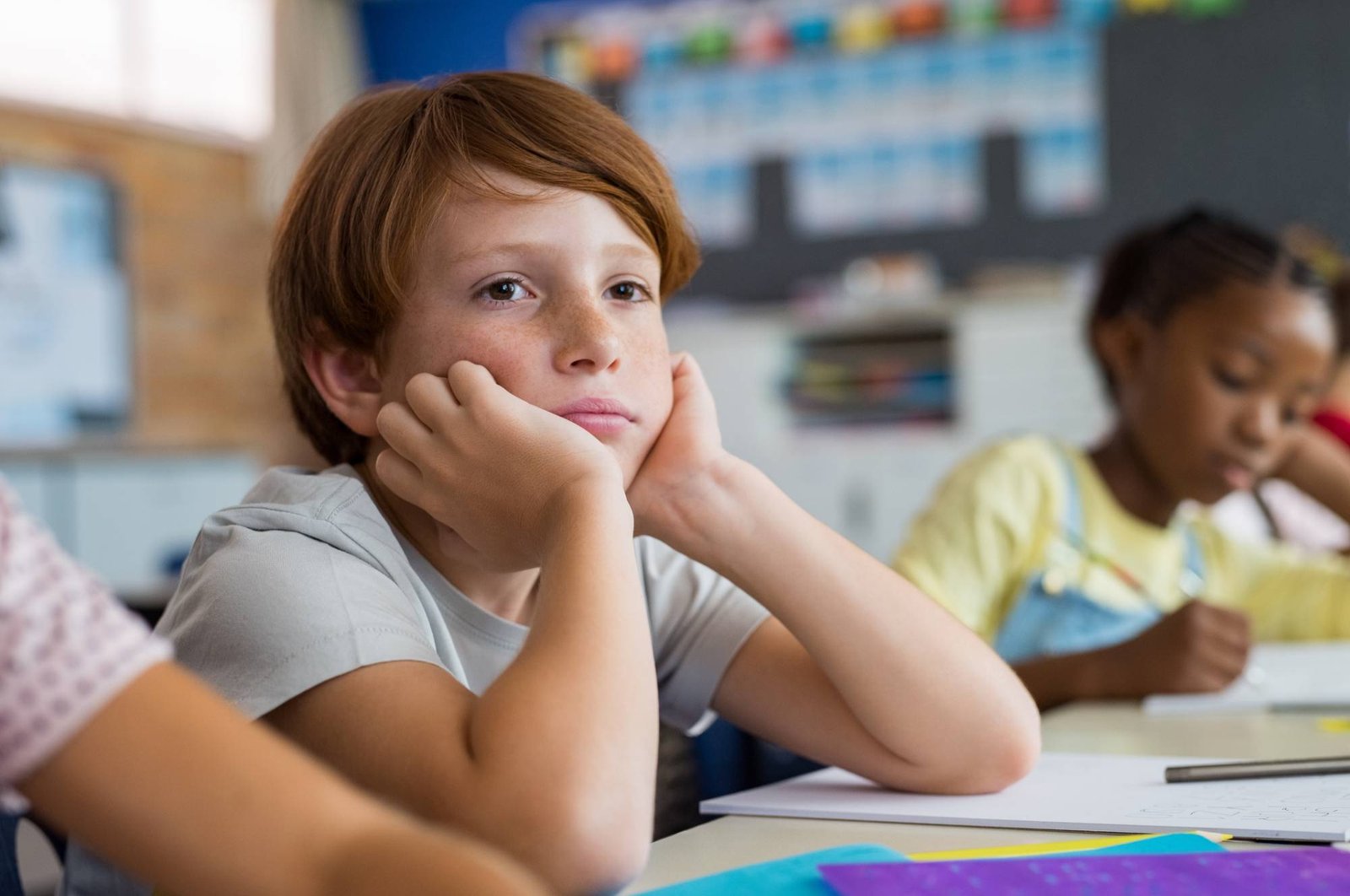
Students whose teachers had access to the AI tool rated their classes as less enjoyable, less interesting and less important than students in the control group. The decline in intrinsic motivation was modest, but greater among the students of those teachers who were already more intensive users of AI before the experiment began.
Academic GPA has not changed overall. But among teachers whose students had lower grades before the experiment—a proxy for lower-performing teachers—both student achievement and confidence declined. Academic achievement was measured by externally administered standardized exams, ruling out the possibility that these teachers had different standards of assessment.
The study cannot explain exactly why the quality of teaching has deteriorated. The researchers did not observe classrooms or analyze the AI-generated materials used by teachers. But Sungu suspects that teachers may have given up one of their most effective tools.
“When you start using AI-generated material, you lose your personal voice,” Sungu said. “It might be technically good enough, but it doesn’t really carry your own style. If it’s all very uniform, it just becomes a bit more boring.”
One possible explanation for poorer academic performance among students of low-performing teachers, Sungu said, is that stronger teachers treat the AI output as a first draft, revising it and adapting it to their classrooms. Weaker teachers, he suspects, may be more inclined to use AI-generated material as is.
This study is not a pure comparison between teaching with and without AI. Teachers in the control group were free to use other AI tools, making this a comparison between access to a personalized AI assistant and anything the teachers chose to do themselves. If anything, Sungu said, these findings may understate the risks of teachers relying heavily on AI-generated materials.
Still, Sungu warns that it would be a mistake to conclude that “AI is terrible and will ruin education.” He sees a different lesson: access to AI technology alone does not improve teaching.
The challenge is to help teachers use AI in ways that preserve human judgment and creativity. This will require teacher training programs, handrails and better interfaces.
“As far as teachers using it organically, there’s something to worry about,” he said.
Sungu says he personally uses AI in his university studies to create interactive games and surveys that would otherwise take too much time to build. “When I first get the result, it just looks great,” he said. “And then if I don’t dive into it, the examples, the numbers don’t make sense. I end up spending the same amount of time improving the score or calibrating it for my class.”
“It’s not a time saver,” he said.
This story about AI in teaching is produced by The Hechinger Reportan independent, nonprofit news organization that covers education. Sign up for Evidence points and others Hechinger Bulletins.
