
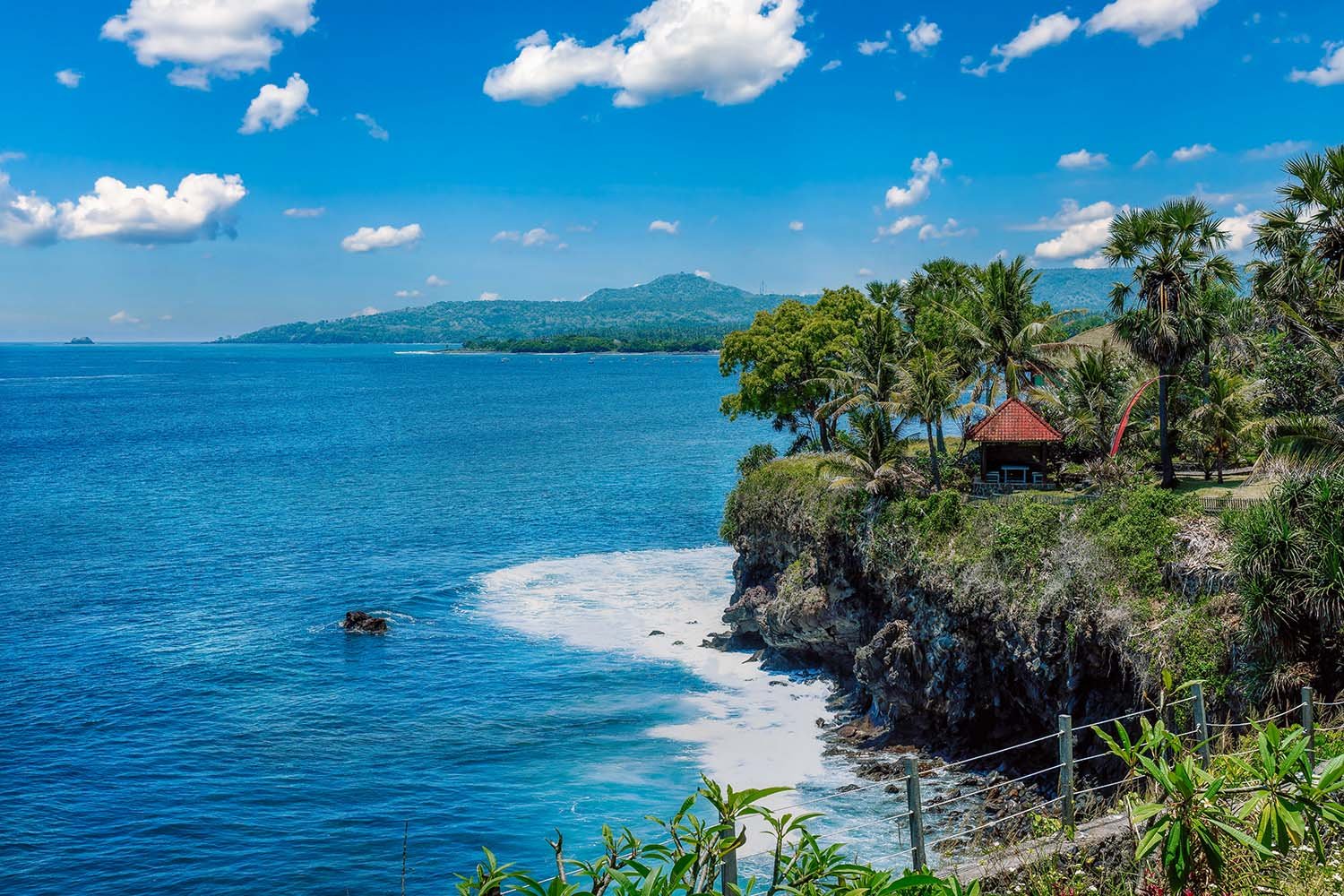
More people are doing this quietly. Not advertising on LinkedIn, not pitching as a “personal brand pivot”. Just take a month and leave. The sabbatical used to be an academic thing, a perk for tenure. Now, it’s something a 34-year-old UX designer from Berlin does when he realizes he hasn’t taken more than five days off in three years. This article explains why a month-long trip to Bali in 2026 makes sense, and why this particular island continues to feature in that conversation.
One month is the minimum that really works
A week in Bali is tourism. You recover from jet lag and then it’s Sunday again.
Two weeks are better. But you spend the first half arriving and the second half leaving beforehand, packing your head, checking return flights, calculating what awaits you.
One month something different starts to happen. By day ten, you stop counting. You start making small decisions that don’t just matter locally: which coffee place is better in the morning, whether it’s worth driving to Pererenan or staying in Canggu. You develop fluid opinions about the neighborhood. That seems trivial. It is not It means your brain has landed.
This also starts the math working in your favor. For stays longer than 30 days, the cost per night is significantly reduced compared to weekly rates. If you search rent an apartment in Bali monthly and find an operator like TheYoungVillas, you’re often looking at half the nightly rate of a short-term booking and get a kitchen, which matters more than you think after two weeks of eating out.
Why Bali exactly, in 2026
There are other islands. Koh Lanta is quieter. Siargao has better surf without crowds. Madeira has faster internet and Europeans have no time zone problems. If a whole month abroad still feels like a stretch, our guides The best Greek islands for slow travel and East coast towns for a slow trip covering shorter-run versions of the same idea.
However, Bali has something the others don’t: critical mass without chaos. The infrastructure (fiber internet in Canggu and Ubud, co-working spaces that actually work, clinics that can handle non-emergency care) exists because enough people do it long enough for a market to form around it. Dojo in Canggu has reliable meeting rooms. Outpost in Ubud goes professional. These are no longer boutique experiments. They are just things that exist.
Some details worth knowing before booking:
- Visa on arrival lasts 30 days, can be extended once for another 30. The extension costs about 35 dollars and takes one morning at the immigration office in Denpasar. correct
- Canggu is quieter than in 2022-2023. Indonesian authorities reduced the density of short-term party villas as part of wider regulations. What’s left is more residential deterioration, which is mostly a good thing.
- Ubud and Canggu are functionally two different trips. Ubud is cooler, quieter, the terrace is surrounded by rice fields and morning mist. Canggu is on the coast, louder, better for surfing and worse for sleeping. Nor is it better. It’s just different moods.
Visa status for a month trip to Bali in 2026
The Indonesian E33 Second Home Visa technically exists and technically allows multi-year stays. Requires proof of approximately $130,000 in liquid assets. Most people who take a month-long sabbatical are not in that range, nor do they need to be.
The practical route for a stay of 30 to 60 days remains what it always has been: a visa on arrival, an extension, applied for through Indonesia. official immigration portal. The legal gray area, and there is one, involves working remotely for foreign clients on a tourist visa in Indonesia. It’s technically not allowed. It is also something that tens of thousands of people do every year without any problems. Working with a tourist visa for Indonesian clients is a different matter, and really not advisable.
If your stay will exceed 60 days, speak to a visa agent in Denpasar before your arrival. At about $150, it saves a lot of confusion.
What the days are really like
The first week
Quite rude actually. The jet lag from Europe is 6 to 7 hours, and it feels weird: you’re awake at 4:00 am and half asleep by 3:00 pm. Most people give it a week and stop fighting.
Breakfast is cheap and good. A warung nasi goreng, strong coffee, maybe a banana pancake: $2 to $3 and you’re good to go until noon. Between 12:00 and 15:00 the heat is real; this is the window where most of the locals disappear, and you quickly learn to follow their lead.
For the second week
You have found your places. A cafe where they don’t mind sitting for three hours. The road you take back from the beach, which avoids the main Canggu road. Little things But in this way a place ceases to be foreign.
Work, whatever you’re doing, settles in the morning. Internet in a decent villa or coworking space is reliable enough for video calling. “Reliable enough” means that it goes down every now and then, meaning you stop planning eight-hour meeting days, and that’s mostly okay.
The surf question
Batu Bolong Beach in Canggu is a consistent and forgiving beach break. Intermediate surfers can paddle without embarrassing themselves. $7/hour board rental, lessons available.
Uluwatu is something else entirely. A bare left over the shallow reef of the Bukit Peninsula, fast and unforgiving in bigger waves. The paddle-out is timed in sets of cave entries. Beautiful to see. Not where you study.
With people coming back
It’s the part that doesn’t fit neatly into a route.
See also

Take away the commute, the noise of the open office, the social obligation to be available and something opens up. Not immediately. Usually around three weeks. People have reported finishing creative projects that had been stalled for months. Some come back and change jobs. A few come back and change nothing, but feel differently about what they have. One person I spoke to, a product manager in Amsterdam, came back and started a small furniture business. He had been thinking about it for four years.
“None of this is Bali doing something mystical. You finally had the time and silence to think beyond the immediate list.”
That’s weirder than it sounds when you’re at home.
Before you go: a practical checklist
Here are the really important things that not everyone already knows about the “light package” tips:
- Say it before you leave your bank. Cards are blocked on first use abroad. A five-minute call saves a week of headaches.
- SafetyWing Nomad insurance It’s about $45/month and covers emergency medical care. Most long-term travelers use more than standard travel insurance products.
- Book your accommodation before you arrive. This may seem obvious. People still show up and book through the airport, where they are clearly in a flexible situation, and pay accordingly. (Here’s a more comprehensive guide choosing accommodation for any trip (If you’re weighing villa versus hotel and cohabitation.)
- Download offline maps for the Canggu/Seminyak/Uluwatu triangle. Mobile data coverage on the Bukit Peninsula is inconsistent, and the roads are unforgiving of navigational errors. A reliable connection matters even more if you’re working remotely; see our notes stay connected while you travel.
It also pays to budget honestly. The sticker price of a month in Bali rarely comes close to what comes out of your account when you consider the little things. Our breakdown hidden travel costs it includes categories that people underestimate.
The case of taking a month trip to Bali
Most people who want to do it have been wanting to do it for two or three years. The reason they don’t is usually not money. It’s the sense that a better time is coming: the completion of a project, a quieter quarter, a clearer starting point.
There isn’t Or rather, there is always one, always a little ahead of where you are.
Not everything will be fixed in a month. Bad conditions follow people to good climates. But if what you need is time (real, unstructured, unhurried time), a month in Bali in 2026 is one of the most honest ways to get it. The infrastructure supports it. The cost, compared to months of life in most western cities, makes the math surprisingly easy.
The hardest question is whether you are ready to wait for the right moment to stop and go.
Better Living may earn commissions through affiliate links and may occasionally feature sponsored or partner content. If you make a purchase through our links, we may receive a small commission at no cost to you.
