
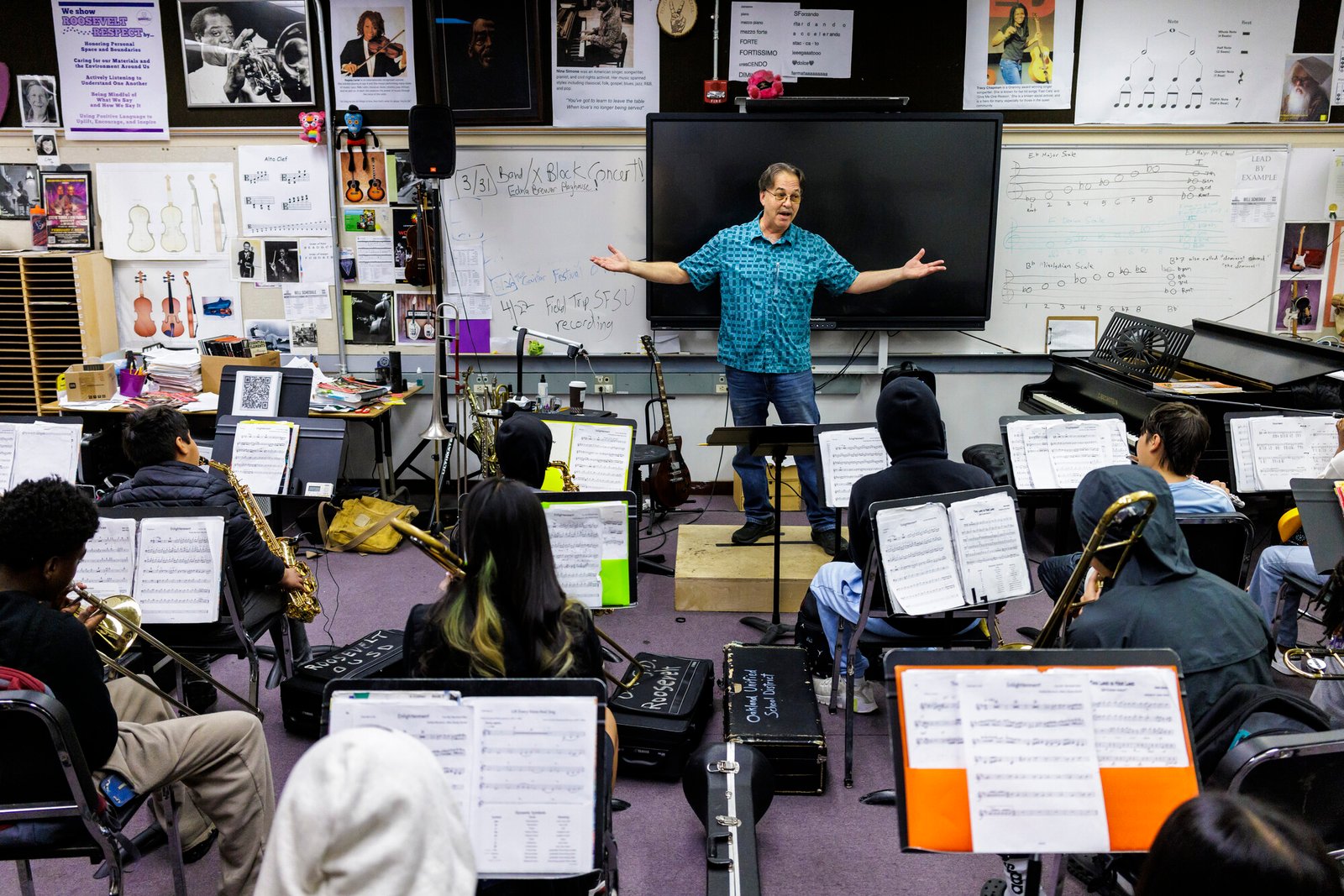
Porter truly believes in the musical abilities of children of all ages. When he was director of music education at the Berklee Symphony Orchestra, he had the orchestra perform pieces composed by 5-year-old children. And in years past, he’s created opportunities for his elementary and middle school students to record their own albums — something he’s doing for his current middle school students.
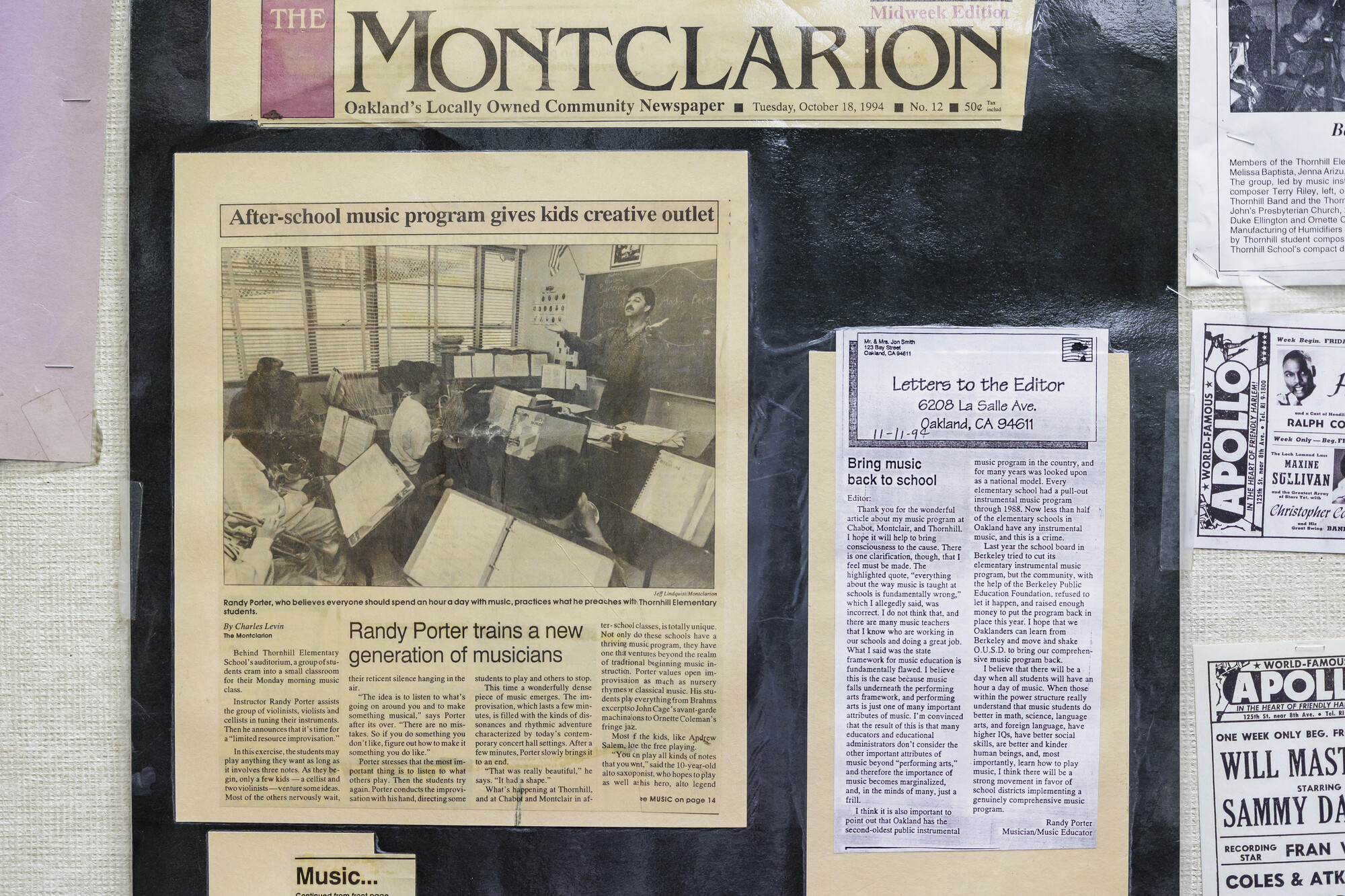
Porter is the type of teacher who provides a safe place for her students to practice, hang out and eat after school. But this is Mr. Porter’s last year of teaching because he is retiring.
At this point, the future of music classes in Oakland Public Schools is uncertain due to upcoming budget cuts throughout the area. Porter didn’t want arts education to fall by the wayside, so he started a fundraiser for Roosevelt’s music program.
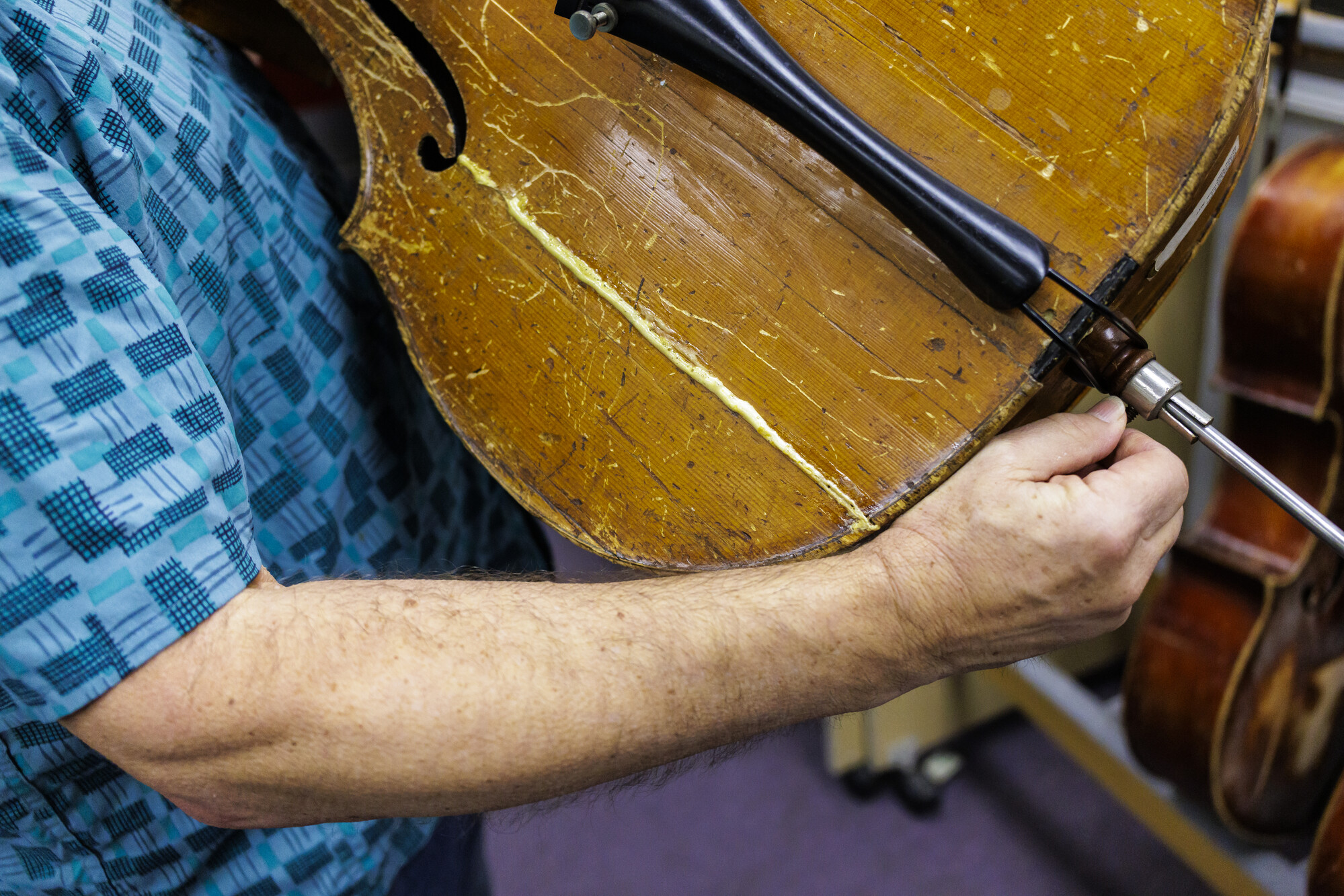
“(Art) is an absolutely essential part of a child’s development. Music, art, physical education, manipulating things with your hands — that’s how kids learn,” he said. “That’s how a lot of people learn. And when you take them away, a certain part of the population gets left behind a little bit,” Porter said.
There are many benefits to students studying and pursuing music. A study conducted by the Brain and Creativity Institute of the University of Southern California found this learning music improves auditory pathways in the brainwhich may help with other learning systems affected by these neural pathways such as reading and language. In 2022, politics caught up with science when California voters passed Proposition 28requiring the state to provide additional funding for public school music and art programs.
For students like seventh-grader Diego, Porter’s band class wasn’t a natural choice when he entered middle school. “It was so weird,” Diego said of the jazz music. “I thought, ‘Are people really going to want to listen to this?’ At first I didn’t even want to play it.” But he went ahead.
“I hesitated and then just stuck with it,” he said. “I love that there are so many options and different combinations, so you can make each one different.”
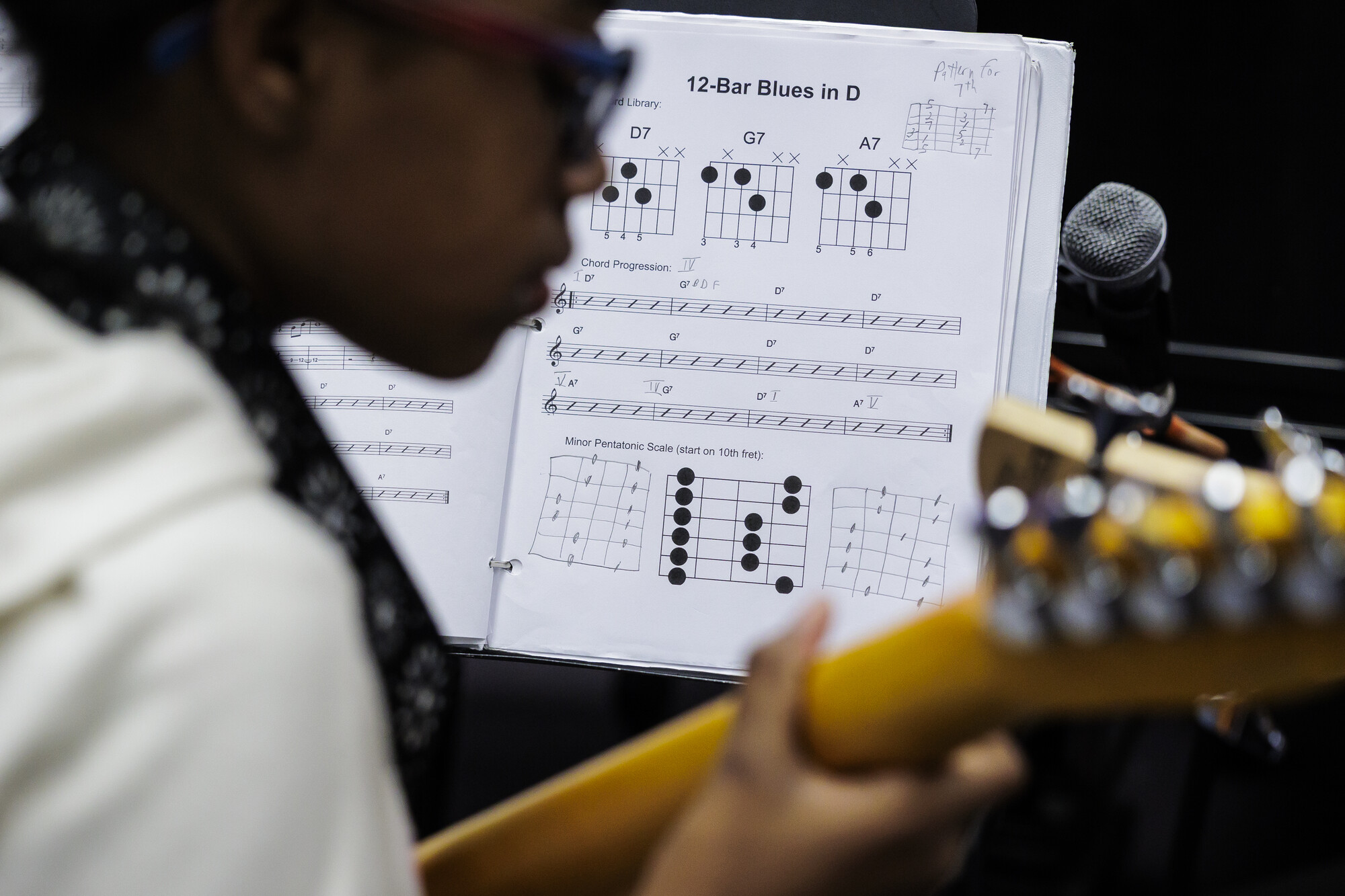
Another of Porter’s seventh-grade students, Imani, who plays guitar, is interested in playing Sun Ra’s music in band class. “All the parts are so different and they all come together in chaotic bliss,” she said.
Some of Porter’s former students have gone on to new heights, like 10th grader Ryan, who returns to Porter’s Roosevelt classroom every Thursday to mentor middle school students. When Ryan arrived in Porter’s classroom about five years ago, he had experience playing the violin and had picked up the cello. But Porter’s jazz band class introduced something new.
“It felt exciting to be in music class … then I started thinking, ‘Wait, I need to switch to an instrument that’s more suited to jazz,'” Ryan said.
So, at Porter’s suggestion, Ryan picked up his third instrument, the trombone. “It really opened up a new world for me,” Ryan said.
He now plays a total of fifteen instruments, is a member of the SFJAZZ High School All-Stars Band, and played in a youth orchestra for three years, all with Porter’s encouragement.
Middle school students are in an age group that is known in schools and among teachers for their unpredictability, high energy, and heightened social awareness. But if you can tap into their interests, the potential for growth is what Porter finds most exciting about this age group, he said.
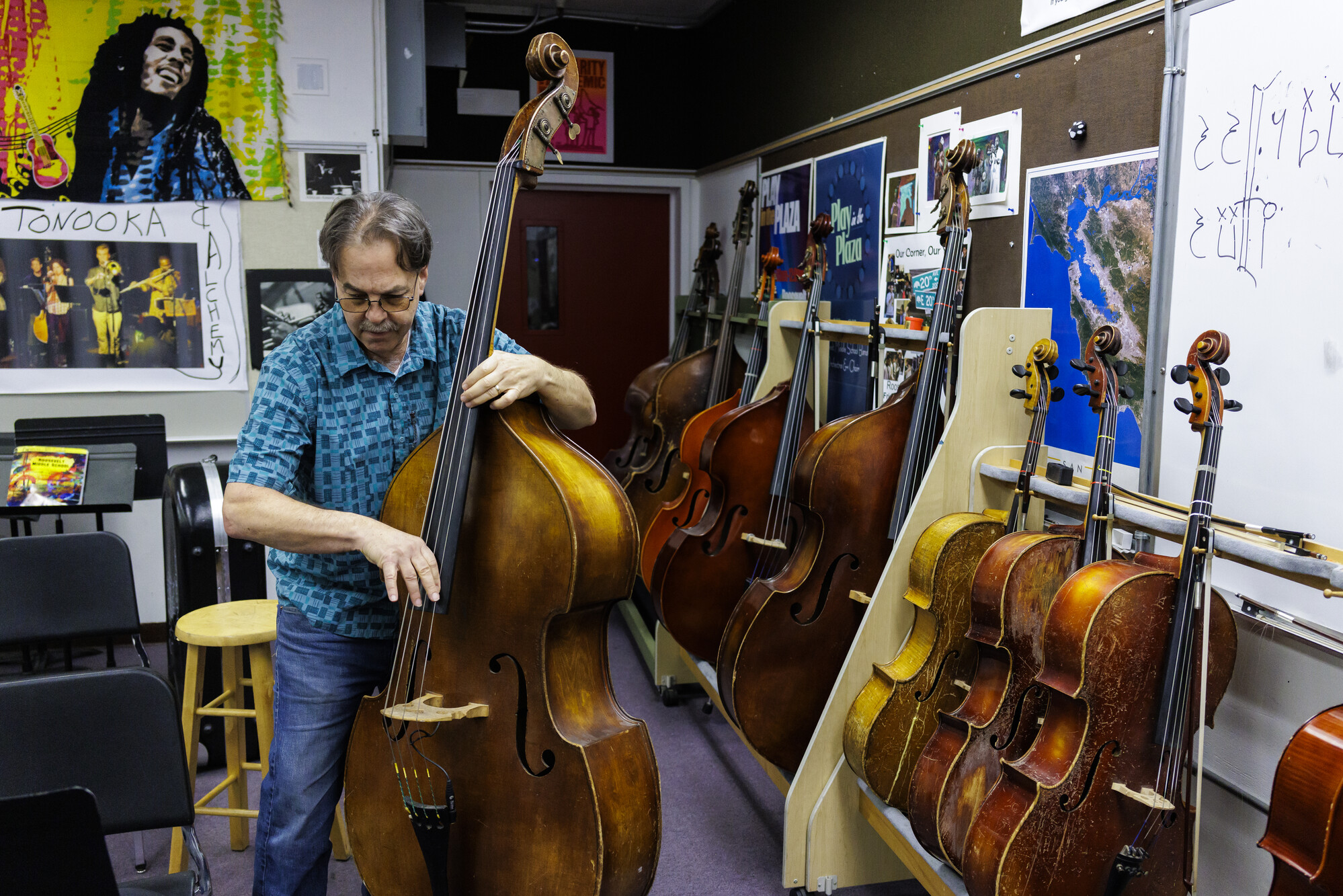
He plans to be an active member of the local music education community when he retires, but the students are what he will miss most. “I want to be helpful. I want to mentor the teachers. I want to do what I can just to see things continue to be successful,” he said.
But he will also take time to return to the professional music world. This summer, you can find Porter playing at one of his annual shows concertsChapel of the Bells.
