

A new series of health insights is on the way.
Important
A new series of health insights is on the way.
Our team is working behind the scenes to develop new research and practical health strategies for our readers. As we finish preparing what comes next, we invite you to browse one of our most read articles in our library below. See exactly what’s changing →
Your body is a complex and incredibly effective system that works constantly to maintain a balanced and healthy state. A critical part of this complex network is your immune system, which is your primary defense against constant external threats, including bacteria, viruses, fungi, and parasites.
Amazingly, a seemingly simple molecule produced in your gut, known as butyrate, plays an incredibly significant and multifaceted role in regulating this complex immune system.
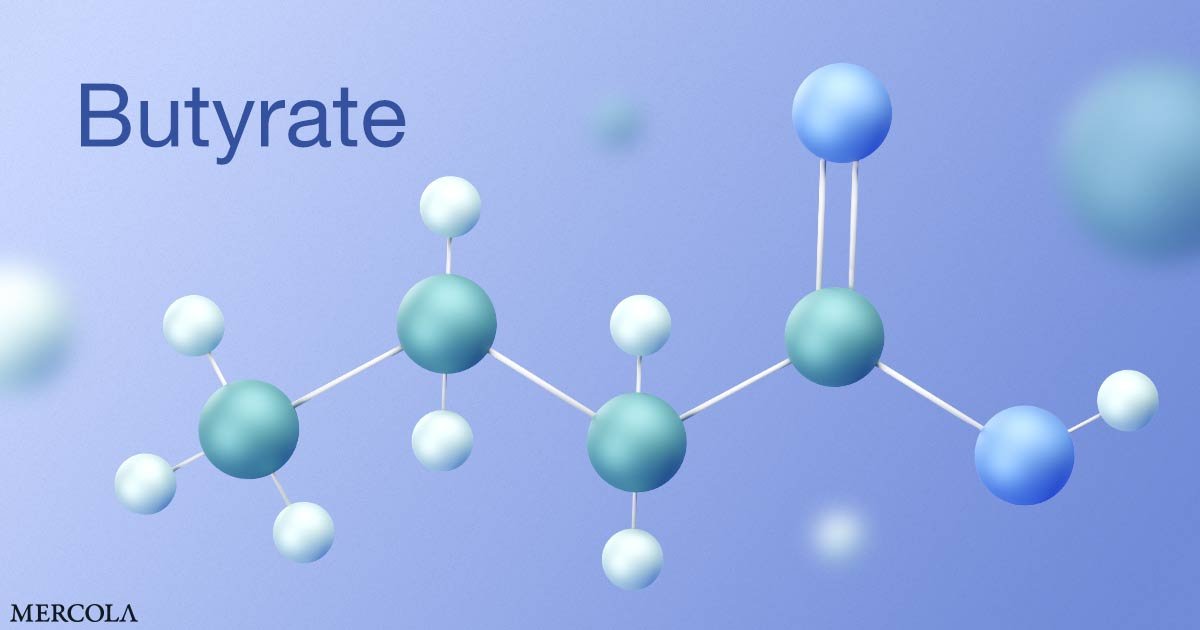
Butyrate is a short-chain fatty acid (CFA) that is produced when beneficial gut bacteria ferment dietary fiber in the gut. It is the primary energy source for colonocytes, the cells in the colon, and plays an important role in maintaining the integrity of the colon.1 Butyrate is more than just fuel for the gut—it’s a powerful signaling molecule that affects immunity, inflammation, and systemic health.
Butyrate and inflammation – extinguishing internal fire
Inflammation is the body’s natural and necessary response to injury, infection, or irritation. It’s your body’s way of signaling that something is wrong and starting the healing process. However, if inflammation is chronic, long-lasting, it can contribute to a variety of health problems, including cardiovascular disease, arthritis, type 2 diabetes, certain cancers, and autoimmune diseases.2
Butyrate acts as a powerful natural immunosuppressive agent, controlling this important reaction and preventing it from getting out of control.3 One major pathway involves the inhibition of histone deacetylases (HDACs), enzymes that affect gene expression by modifying histones.4
Histones are proteins that package DNA, and their modifications activate or silence certain genes. By inhibiting HDACs, butyrate stimulates the expression of anti-inflammatory genes by suppressing immune signaling, maintaining a balanced immune response.5
Another important mechanism by which butyrate reduces inflammation is by suppressing the NF-κB (nuclear factor kappa B) pathway.6 NF-κB is a protein complex that acts as a master regulator of the inflammatory response, regulating the production of several proinflammatory cytokines, including tumor necrosis factor-alpha (TNF-α), interleukin-6 (IL-6), and interleukin-1β (IL-1β).7
These cytokines act as messengers, directing immune cells to the site of inflammation. Butyrate inhibits NF-κB activation, thereby attenuating the inflammatory cascade and promoting immune homeostasis.8 Butyrate affects the activity of immune cells in the gut, especially macrophages, which play a dual role in inflammation.9
These cells promote inflammation or support tissue repair and healing, depending on their activation state. Butyrate encourages macrophages to adopt an anti-inflammatory phenotype, thereby reducing tissue damage and promoting recovery.10 In addition to its direct effect on the digestive tract, butyrate strengthens your gut, preventing harmful bacteria and toxins from entering your bloodstream.11
Butyrate regulates your immune response.
Your immune system is based on a large number of specialized cells that work together to protect your body from harmful invaders by maintaining tolerance to self-antigens. Among these cells, T cells play an important role in coordinating adaptive immunity. Butyrate has a profound effect on T cell function, shaping immune responses and maintaining the balance between anti-inflammatory and anti-inflammatory pathways.12
One of the most important roles of butyrate is its ability to increase the differentiation and proliferation of regulatory T cells (Tregs), especially the Tregs (pTregs) found in your gut. Tregs are important for maintaining immunity and preventing your immune system from attacking your body’s tissues. Butyrate increases the number of these cells by increasing Foxp3 transcript expression, which is required for Treg development.
Butyrate-induced pTreg cells are mainly localized in the colon, where they help maintain intestinal homeostasis and suppress inflammatory responses. This localized action is based on direct butyrate exposure, as dietary supplementation with butyrate-rich foods or butyrate enemas has been shown to significantly increase colonic pTreg populations.13
Butyrate also modulates the activity of effector T cells, particularly Th1 and Th17 cells.14 Th1 cells are important for cellular defense against pathogens.15 Th17 cells play a role in fighting extracellular bacteria and fungi.16 However, overactivity of both subunits contributes to chronic inflammation and autoimmunity.17 Butyrate’s ability to inhibit the differentiation and function of Th1 and Th17 cells further accentuates its immunosuppressive properties.
In addition to its effects on T cells, butyrate affects dendritic cells (DCs), which are key players in mediating innate and adaptive immunity. DCs capture antigens and present them to T cells, which initiate adaptive immune responses.
Butyrate modulates the maturation and activation of DCs, reducing their ability to trigger proinflammatory T cell responses. This activation of the immune system occurs only when necessary and prevents an excessive or inappropriate immune response.18
Butyrate is a key player in controlling chronic inflammatory conditions.
Chronic inflammatory conditions occur when your body’s immune or inflammatory responses are out of control, resulting in prolonged inflammation, tissue damage, and debilitating symptoms. Due to its ability to modulate immune responses and reduce inflammation, butyrate has been established as a therapeutic agent for the prevention and management of chronic diseases.
Inflammatory bowel disease (IBD), including Crohn’s disease and ulcerative colitis, is one of the most widely studied autoimmune conditions in the context of butyrate therapy. These diseases involve chronic inflammation of the digestive tract triggered by an excessive immune response to the gut microbiota.
Butyrate’s anti-inflammatory properties and ability to enhance intestinal barrier function provide effective management for IBD. Studies show that butyrate supplementation reduces inflammation in the lining of the gut, promotes tissue repair and improves overall gut health.19
In multiple sclerosis (MS), an autoimmune disease that targets the central nervous system, butyrate plays a role in modulating the immune response and has been shown to reduce inflammation. It has also been shown to prevent damage to myelin, the protective coating around nerve fibers, a pathological hallmark of MS.20
In type 2 diabetes, which involves progressive dysfunction of insulin-producing beta cells in the pancreas, butyrate has been shown to protect beta cell function by protecting against damage caused by proinflammatory cytokines. Butyrate regulates glucose-stimulated insulin secretion (GSIS), down-regulates inflammation-stimulating gene expression, and reverses the dysfunction caused by cytokines such as IL-1β.21
Systemic lupus erythematosus (SLE), a complex autoimmune disease affecting multiple organs, is also associated with dysregulated gut microbiota and decreased butyrate production. Restoring butyrate levels through diet or supplemental intervention can improve intestinal dysbiosis and reduce the severity of lupus-related symptoms.22
The Role of Butyrate in Gut-Associated Lymphoid Tissue (GALT).
Your gut not only absorbs food, but also serves as the site of your body’s largest immune system, with approximately 70% of your immune cells residing in the gut-associated lymphoid tissue (GALT).23 This unique network samples antigens from the intestinal lumen and orchestrates immune responses that balance defense against pathogens with dietary antigens and beneficial microbes.24
Butyrate plays a critical role in maintaining this balance by modulating immune activity in the GALT. Environmental influences ensure that immune responses are regulated, preventing autoimmunity that causes chronic inflammation and overactive defenses. A key mechanism involves butyrate’s ability to enhance the growth and function of regulatory T cells.25
Another important aspect of GALT function is the integrity of the intestinal barrier, which is lined with a single layer of epithelial cells that prevent harmful microbes and toxins from entering the bloodstream. Butyrate strengthens this barrier by increasing the expression of tight junction proteins that bridge the gaps between cells.26
Dendritic cells (DCs) in the GALT, which are responsible for sampling and presenting antigens, are also influenced by butyrate. By modulating DC maturation and activity, butyrate ensures that immune responses remain appropriate, reducing the risk of unnecessary inflammation or autoimmunity.27,28
Your gut microbiota further shapes GALT activity, fostering a balanced microbial ecosystem that supports immune regulation through butyrate-producing bacteria such as Faecalibacterium prausnitzii and Roseburia.29 Dysbiosis, or a disruption in the microbial balance, is often associated with reduced butyrate levels and GALT function.30
Butyrate – a small molecule with far-reaching implications
Butyrate, produced by gut bacteria during fiber fermentation, plays an important role in immune regulation, inflammation control, and overall health. Its ability to support gut hygiene and influence immune cell function demonstrates its therapeutic potential to address autoimmune diseases and other chronic conditions.
By supporting a healthy gut microbiome, you can naturally promote butyrate production and strengthen your immune system. In order to increase the production of butyrate, it is important to feed the beneficial bacteria that produce it in your colon, this process only occurs in the colon.
As I explain in my book, “Your Guide to Cellular Health,” removing environmental mitochondrial toxins creates space for these bacteria to grow, producing butyrate to feed colonocytes and improve gut health.
