
Vitamin C shapes skin health in ways that most people don’t realize. Your body cannot process it, it does not store much and depends on a balanced diet to maintain normal skin structure. When that intake is reduced, the skin is one of the first tissues to feel it. Collagen support weakens, regeneration slows down, and changes or tension that people blame on age begin to show.
Most skin advice pushes creams, serums and topical treatments. That focus skips over where skin biology begins. Skin cells depend not on what you apply externally, but on the nutrients delivered through your veins. If internal supply is low, seasonal products cannot make up that gap. What stands out in the research is how one whole food – kiwifruit – can change this internal supply.
Instead of relying on how the skin looks from the outside, researchers measured vitamin C directly in human skin tissue.1 Those measurements showed that after a series of kiwifruit intakes, skin tissue responded on a clear timeline as blood levels increased, especially in people who started low. Skin health follows nutrient delivery from the inside out, and kiwifruit provides a practical way to influence the process.
Nutritional vitamin C rejuvenates the skin from the inside
A study published in the Journal of Investigative Dermatology examined how vitamin C from food moves into human skin and changes its structure and function.2 Rather than relying on topical treatments, the researchers focused on what happens when vitamin C intake is increased through the diet, specifically through eating. KiwifruitOne of the richest whole-food sources of this nutrient.
Their goal was to measure vitamin C directly in the skin and determine whether high doses alter skin behavior at a biological level. Participants represented healthy adults with low or below-average vitamin C levels at baseline. This is an issue because many people unknowingly fall into this range, especially those who rely on processed foods or have a disproportionate amount of fruit consumption.
• Researchers measured vitamin C directly in human skin. Researchers examined skin samples taken during elective surgery and monitored vitamin C levels in blood, whole skin, skin, and epidermis to determine how much vitamin C was circulating in the blood.
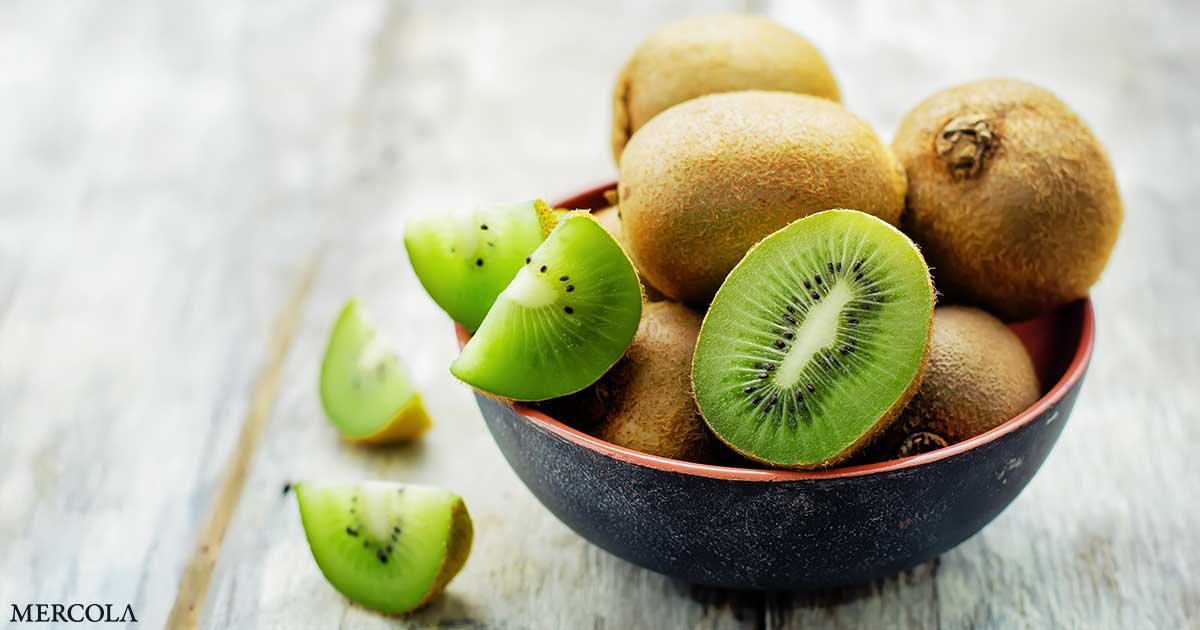
• Eating two kiwifruits a day quickly restored vitamin C levels. Participants with low vitamin C levels consumed two servings of SunGold kiwifruit for eight weeks, providing 250 milligrams (mg) of vitamin C per day.
This single dietary change pushed blood vitamin C to saturation levels, meaning that the bloodstream contains enough vitamin C to supply all of the body’s tissues, including the skin. Those with low levels of vitamin C experienced a marked increase in both blood and skin vitamin C after the intervention.
• The skin reacts only when the blood volume increases. Participants with higher vitamin C levels at baseline showed little change, reinforcing that skin absorption depends on the circulation. If your vitamin C levels are high, the amount will decrease, but if it is low, the skin tissue will respond quickly once the supply is improved.
Kiwifruit intake strengthens the skin and accelerates regeneration
One of the most striking findings was how quickly the skin responded after increasing vitamin C levels. After eight weeks of high-dose drinking, the vitamin C in the skin is boosted, and the skin itself is denser – more tightly built and structurally supported. The increase occurred in the deep support layer of the skin, where Collagen who lives
This is a coating for leather strength and dirt resistance. In these collagen-producing cells, the amount of vitamin C was much higher than that circulating in the blood. The change was consistent in people with increased blood levels of vitamin C, indicating a clear cause and effect.
• It’s food that’s made the difference, not skin care products – No creams, serums or treatments involved. The only change is the diet. That reinforces a simple point: skin structure depends on what gets in the bloodstream, not what you apply to it. When vitamin C in the blood is reduced, delivery to the skin is slowed down and internal stores are depleted, regardless of what is applied. Inadequate nutrition undermined long-term support.
• Skin quickly replaces old cells – The outer layer of the skin also regenerates itself more quickly. Researchers measured this by monitoring how many skin cells were actively dividing. Faster turnover means older, worn-out cells are replaced sooner, which supports smoother texture and better repair. During the same eight-week period, skin cell activity also increased steadily. This is aligned with the increase in the amount of vitamin C in the blood and the skin, which follows the renewal of nutrition.
• Renewal is subject to internal availability – As vitamin C increases in blood circulation, skin activity increases with it. Vitamin C is not accidentally absorbed into the skin. Special transport mechanisms take it from the blood to the skin cells. This explains why the constant blood levels are higher than the higher doses. Regular dietary vitamin C keeps these transport systems active and skin levels maintained. Short bursts didn’t do the same job.
• Skin cells still benefit – Cells closer to the surface contain less vitamin C but still show rapid growth and regeneration. Even modest internal levels support healthy metabolism when intake remains consistent. Beyond structure, vitamin C also affects signals that tell skin cells how to grow, organize, and regenerate—helping illuminate instructions for healthy skin function.
• Some skin measurements are similar: All skin features did not change during the study. Indicators related to the reaction to the sun and certain collagen fragments did not show any significant changes, and the elasticity of the skin decreased slightly. This shows that the use of kiwifruit is focused on specific structural and regeneration rather than changing all aspects of the skin at once.
Restore vitamin C in the most important place
Skin health starts with delivery, not surface treatments. Your body doesn’t produce vitamin C and doesn’t store it in meaningful amounts, so your skin depends on what’s circulating in your bloodstream every day. If the intake is low or inconsistent, skin cells will be shortened. Cream doesn’t fix that gap. Diet does. Increasing and maintaining vitamin C levels through food will keep the supply systems active and allow your skin to build and regenerate from within.
1. Eat a daily diet of whole foods rich in vitamin C. Vitamin C It works best when obtained from whole foods that provide supportive compounds like flavonoids and carotenoids. These ingredients help stabilize vitamin C and improve how your body uses it. Strong sources include kiwifruit, amla (also called Indian gooseberry), oranges, strawberries, guava, papaya, grapefruit, bell peppers, cabbage, broccoli, Brussels sprouts, spinach, and lemons.
2. Instead of relying on occasional boosts, keep your intake up – Vitamin C does not hang in storage, so large doses that are taken occasionally do not provide the skin. Skin cells respond to daily exposure, not to a one-time exposure. Combine vitamin C-rich foods with foods you already eat so intake becomes automatic rather than something you have to remember.
3. Prepare vegetables according to your bowels – Digestive health affects how nutrients reach your skin. If your gut is sensitive or easily irritated, large amounts of raw vegetables are typically difficult to tolerate and can worsen symptoms. Light steaming or gentle cooking reduces irritating compounds while preserving more vitamin C. As digestion improves, gradually adding raw vegetables can help expand nutrient intake without stress.
4. Support Vitamin C with a Skin-Friendly Diet – Prioritize foods that build collagen by avoiding oils that damage skin repair. Foods like food Bone brothPure gelatin and collagen provide the amino acid glycine, which is used to build and stabilize collagen fibers in your body.
At the same time, vegetable oils such as canola and sunflower oil are high Linoleic acid (LA), the type of polyunsaturated fat that harms you mitochondria and increases oxidative stress on skin tissue. Replacing them with more stable oils like grass-fed butter, tallow and ghee supports a healthy internal environment for skin regeneration.
5. Use kiwifruit as a simple, repeatable skin care routine – Kiwifruit provides a practical way to maintain a consistent vitamin C intake without relying on supplements or a complex regimen. Eating two kiwifruits every day will ensure that your body absorbs and transports a uniform dose of vitamin C as a complete nutrient.
Making kiwifruit a regular part of your daily routine will help your skin maintain the blood supply it needs to support structure, regeneration and resilience over time. When vitamin C intake is stable and your diet supports cellular repair, delivery to the skin layer remains active. That internal consistency is what allows skin to improve its firmness, regeneration, and firmness and age.
Frequently asked questions about kiwifruit, vitamin C and skin health
Q: Why is vitamin C so important for skin health?
A: Vitamin C is needed to maintain skin structure and repair, but your body cannot make or store much of it. When daily nutrients are reduced, the skin is one of the first tissues to be affected. Collagen support weakens, cell turnover slows down, and visible changes often appear before other symptoms appear.
Q: Why don’t creams and serums solve vitamin C deficiency on the skin?
A: Creams and serums do not deliver meaningful amounts of vitamin C to the deeper layers of the skin because the surface barrier limits absorption. Those deep layers absorb vitamin C completely in the blood. Internal supply, not topical application, determines how much vitamin C skin cells receive for proper structure and repair.
Q: How did kiwifruit improve skin vitamin C levels in the study?
A: Eating two kiwifruits a day increases the absorption of vitamin C from the blood into the skin. Once blood levels are elevated, vitamin C moves to more layers of the skin, leading to stronger skin structure and faster regeneration, especially in people who start out low.
Q: Why is consistency more important than occasional large meals?
A: Vitamin C is quickly cleared from your body. Large, infrequent doses do not hold enough blood volume to deliver to the skin over time. Daily intake keeps transport systems active, allowing skin cells to be continuously supplied.
Q: Besides vitamin C, what helps skin health?
A: Skin health reflects overall nutrition. Foods that support collagen production, protect against seed oils high in LA, include healthy fats, and provide gut-supporting foods may help you respond better to vitamin C.
